Fence Repair vs Replacement: How to Know Which One You Need
Learn when a repair is enough and when replacement is the better option
A fence is an important part of many homes in Texas City and surrounding Gulf Coast communities. It provides privacy, security, and helps define property boundaries. However, like any outdoor structure, fences eventually experience wear and damage from weather, moisture, and everyday use.
When a fence begins to deteriorate, homeowners often face an important decision:
should the fence be repaired, or is it time for a full replacement? In many cases, minor issues can be repaired quickly and affordably. In other situations, replacing the entire fence may be the more practical long-term solution.
Understanding the difference between repairable damage and structural failure can help homeowners make an informed decision that protects both their property and their budget.
Common Causes of Fence Damage
Before deciding whether to repair or replace a fence, it helps to understand what typically causes damage in the first place.
In Texas City and nearby Gulf Coast communities, fences are exposed to several environmental challenges.
Common causes of fence damage include:
- Heavy rain and humidity
- Salt air from coastal environments
- Strong winds and storms
- Soil shifting or erosion
- Aging materials
- Insect activity
- Accidental impacts from lawn equipment or vehicles
Over time, these factors can weaken fence posts, boards, and hardware. The extent of the damage often determines whether repair or replacement is the best option.
Situations Where Fence Repair Is Usually Enough
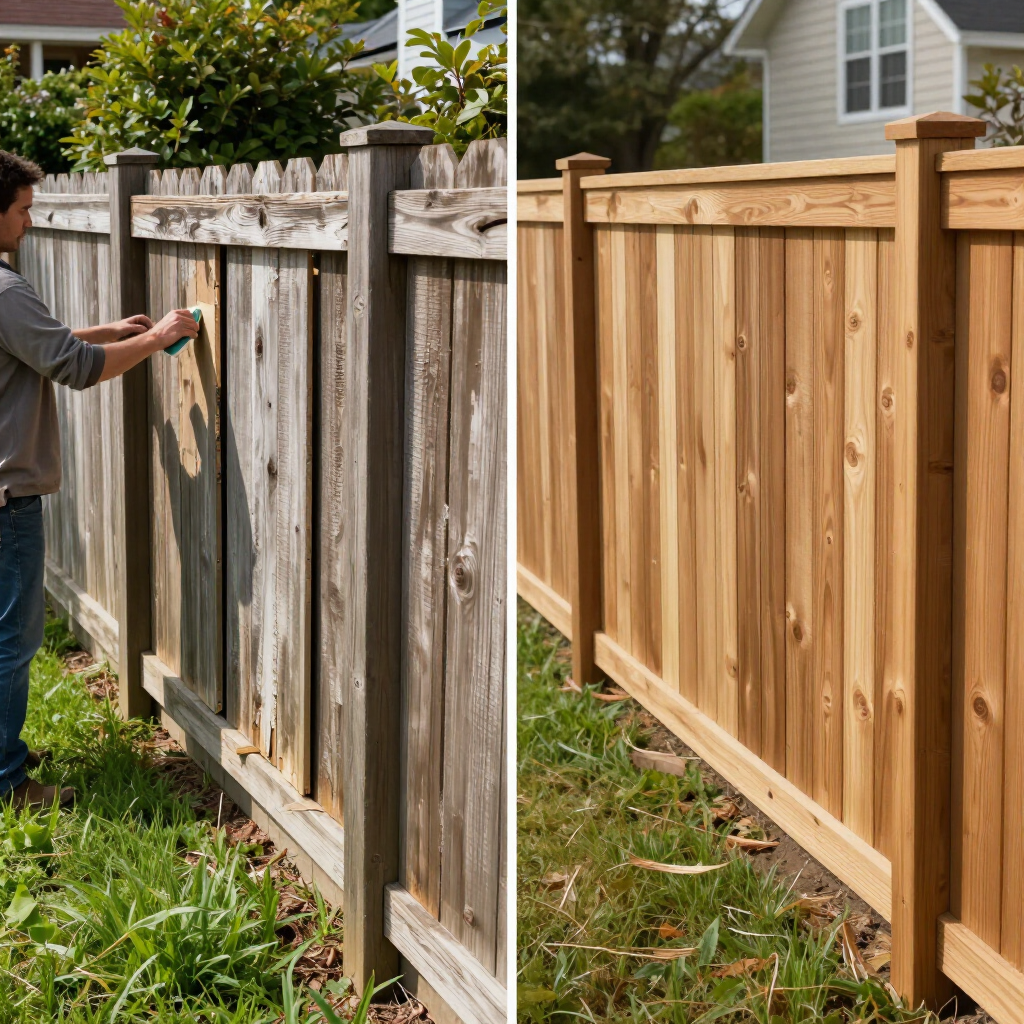
In many cases, fences can be repaired without replacing the entire structure. If the damage is limited to a few areas and the overall framework remains strong, repairs can extend the fence’s lifespan for many more years.
1. A Few Broken or Missing Boards
Wood fences sometimes develop broken or missing boards due to weather or accidental impacts.
Replacing individual boards is typically a quick and affordable repair. As long as the fence posts and horizontal rails remain stable, replacing damaged boards can restore the fence’s appearance and function.
2. Loose or Rusted Hardware
Fence hardware such as nails, screws, hinges, and brackets may loosen over time.
Rust or corrosion is especially common in humid coastal climates.
Replacing hardware is a relatively simple repair that can restore stability to fence panels and gates.
3. Minor Leaning Sections
Sometimes a small portion of the fence may begin to lean due to shifting soil or loose posts.
If the posts are still in good condition, they can often be reset in concrete to restore the fence’s alignment.
This repair can strengthen the structure and prevent further damage.
4. Gate Alignment Problems
Fence gates are used frequently and may eventually sag or drag along the ground.
Common gate repairs include:
- Replacing hinges
- Reinforcing gate frames
- Adjusting latch systems
These repairs can restore smooth operation without replacing the entire fence.
Signs It May Be Time to Replace Your Fence
While repairs are often effective, some situations indicate that a full fence replacement may be the better investment.
1. Extensive Rot or Decay
Wood fences exposed to moisture may develop rot, especially near the base of posts.
If rot spreads to multiple posts or large sections of the fence, repairs may not provide a long-lasting solution.
In these cases, replacing the fence can prevent ongoing maintenance problems.
2. Multiple Failing Fence Posts
Fence posts are the structural backbone of the fence. When posts begin to fail, the entire structure becomes unstable.
Signs of failing posts include:
- Large sections leaning
- Posts that move easily when pushed
- Visible rot or cracks in the wood
Replacing several posts can sometimes cost nearly as much as installing a new fence.
3. Widespread Structural Damage
If more than
25–30 percent of the fence is damaged, repairs may become inefficient.
Examples of widespread damage include:
- Multiple leaning sections
- Numerous broken boards
- Structural warping throughout the fence
In these cases, replacing the fence often provides a better long-term result.
4. The Fence Is More Than 20 Years Old
The age of the fence is another important consideration.
Wood fences typically last
15 to 20 years, depending on maintenance and environmental exposure.
If an older fence begins experiencing frequent repairs, replacement may be the more cost-effective option.
Newer fencing materials can provide improved durability and lower maintenance.
Cost Comparison: Repair vs Replacement
The cost of fence repair varies depending on the extent of the damage.
Minor repairs may cost only a few hundred dollars, while larger repairs involving posts or panels may cost more.
Fence replacement costs depend on factors such as:
- Fence material
- Property size
- Fence height
- Terrain conditions
In Texas City, new fence installation typically ranges from
$20 to $60 per linear foot, depending on the material used.
While replacement requires a larger upfront investment, it can eliminate ongoing repair costs.
Advantages of Installing a New Fence
Replacing an aging fence can offer several benefits beyond simply fixing structural issues.
Homeowners who install a new fence often enjoy:
- Improved curb appeal
- Increased property value
- Better privacy and security
- Modern materials with longer lifespans
- Reduced maintenance needs
New fencing materials such as vinyl or reinforced wood are designed to withstand coastal conditions more effectively than older materials.
Fence Materials to Consider When Replacing a Fence
If replacement becomes necessary, homeowners have several material options to consider.
Wood Fences
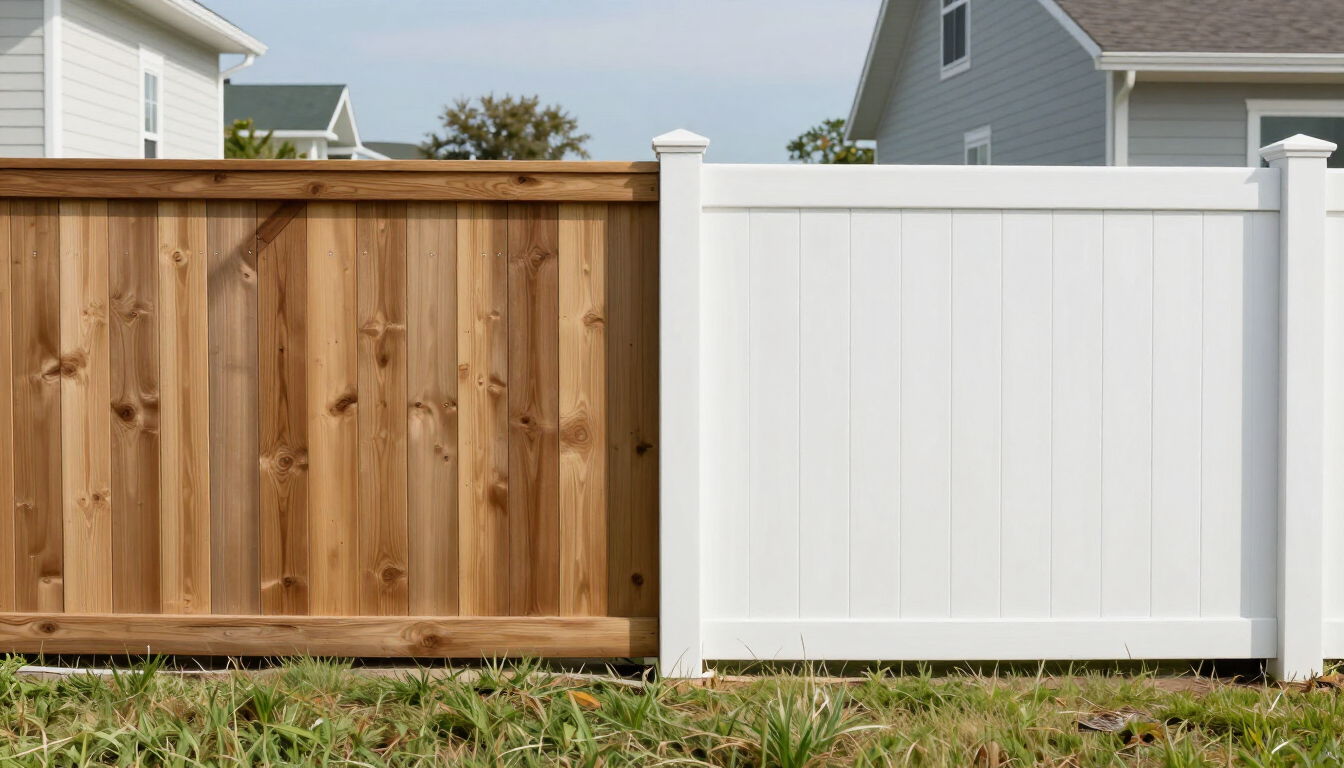
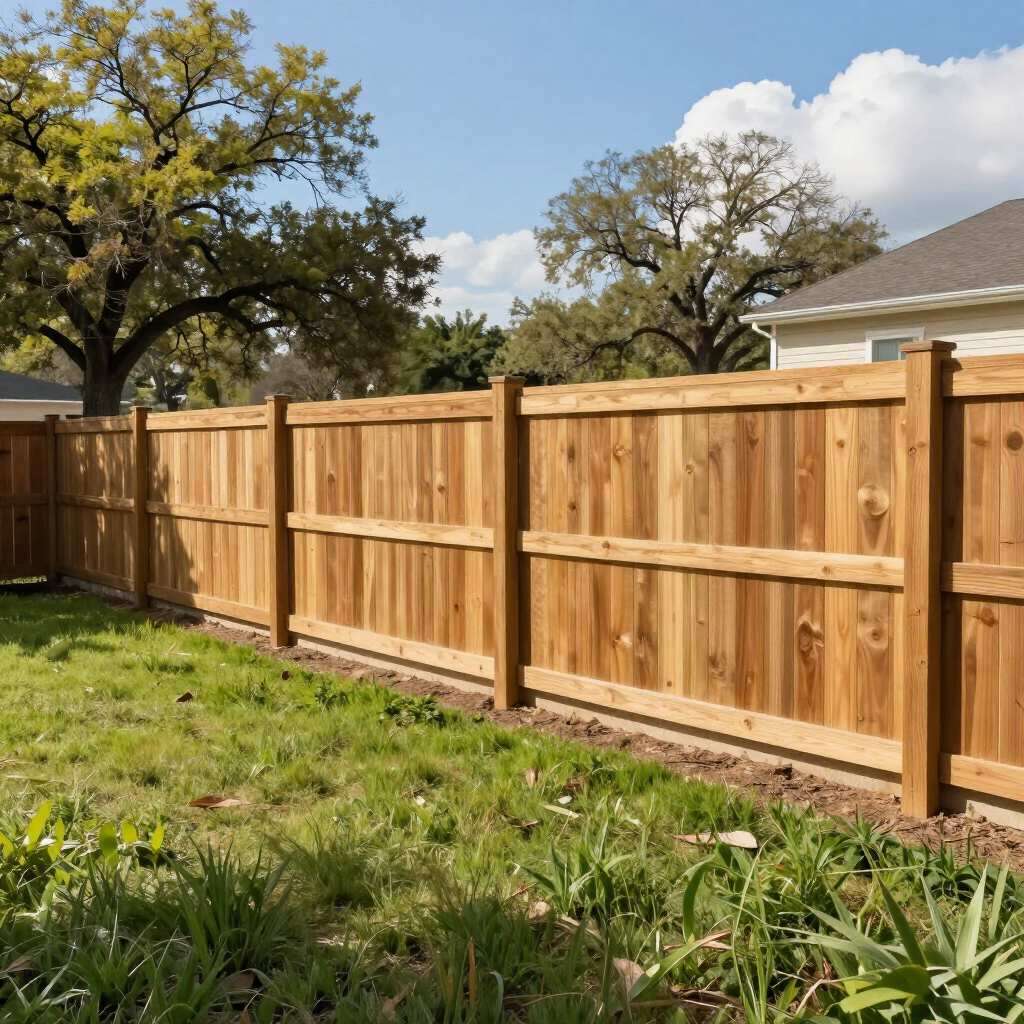
Wood remains one of the most popular choices for residential fencing because it offers strong privacy and a classic appearance.
Pressure-treated lumber helps resist moisture and insects, making it suitable for Gulf Coast environments.
Vinyl Fences
Vinyl fencing is known for its durability and low maintenance.
Unlike wood, vinyl does not rot or require staining. It also performs well in humid climates.
Chain Link Fences
Chain link fencing provides an affordable and durable option for both residential and commercial properties.
It is commonly used for pet enclosures and security fencing.
Aluminum Fences
Aluminum fencing offers a decorative look while providing excellent durability.
These fences resist rust and corrosion, making them suitable for coastal areas.
Maintaining Your Fence to Prevent Future Damage
Whether you repair or replace your fence, proper maintenance can extend its lifespan.
Recommended maintenance practices include:
- Inspecting the fence once or twice each year
- Sealing or staining wood fences periodically
- Tightening loose hardware
- Removing debris after storms
- Trimming vegetation that grows against the fence
Routine maintenance can help prevent small issues from becoming larger structural problems.
FAQs
How long does a typical fence last in Texas?
Wood fences generally last
15 to 20 years, while vinyl and aluminum fences may last
25 years or longer.
Can fence posts be replaced without replacing the entire fence?
Yes, individual posts can sometimes be replaced if the rest of the fence remains structurally sound.
How do I know if my fence damage is serious?
Signs of serious damage include multiple leaning sections, widespread rot, or unstable posts.
Is fence replacement expensive?
The cost varies depending on the material and size of the property, but replacement can provide long-term value by eliminating ongoing repair costs.
How often should fences be inspected?
It is recommended to inspect fences
at least once per year and after major storms.
Fence Repair and Replacement in Texas City
Deciding whether to repair or replace a fence depends on the extent of the damage, the age of the fence, and the long-term goals for the property. Minor issues can often be repaired quickly, while older fences with widespread damage may benefit from full replacement.
Homeowners throughout
Texas City, La Porte, Deer Park, Pasadena, League City, Friendswood, Dickinson, Clear Lake, Santa Fe, Kemah, Hitchcock, and surrounding Gulf Coast communities frequently consult fencing professionals to evaluate fence damage and determine the most effective solution.
To learn more about available fencing services, visit:
https://gulfcoastfence.com/
Recent Posts