Top Reasons Homeowners Choose Vinyl Fencing in Clear Lake and Kemah
Why Vinyl Fencing Is a Smart Choice for Clear Lake and Kemah Homeowners
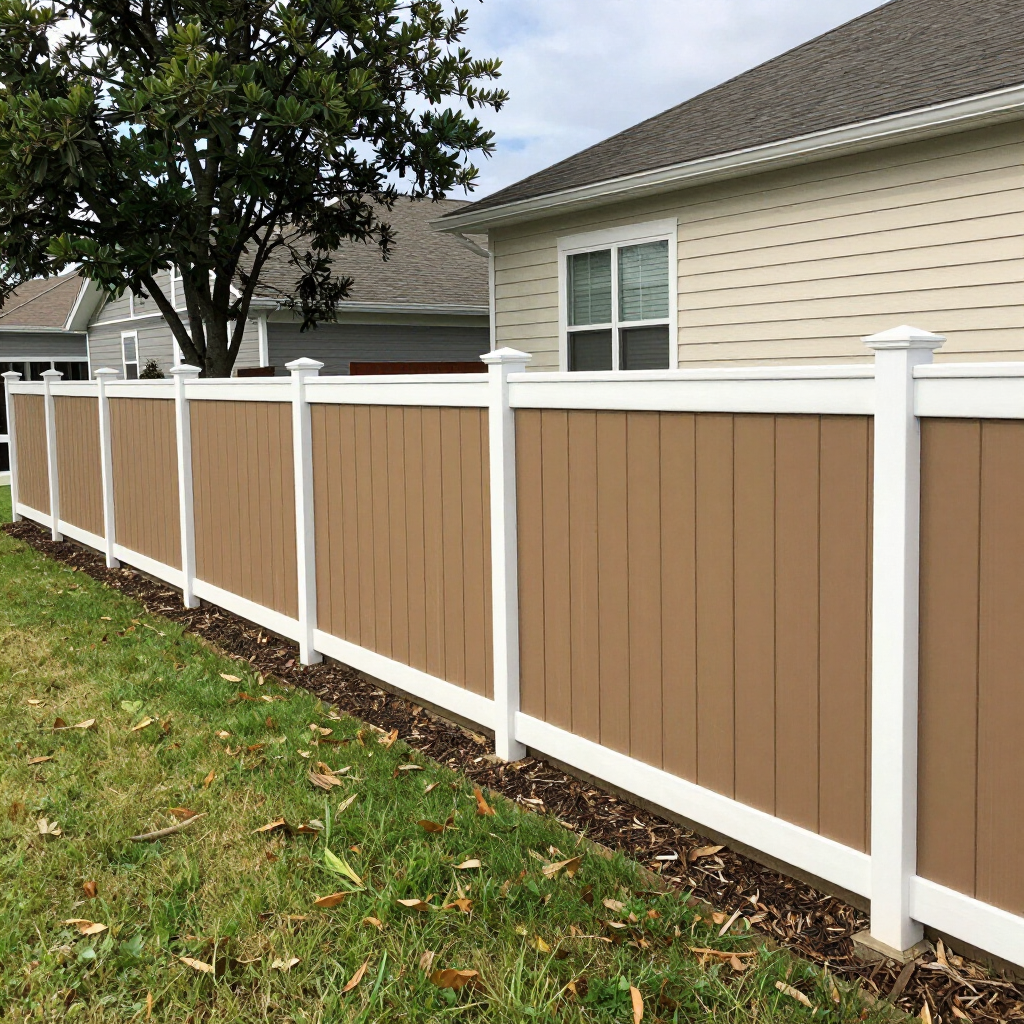
Vinyl fencing has become one of the fastest-growing fencing options for homeowners throughout the Gulf Coast region. In communities like Clear Lake and Kemah, where coastal weather can take a toll on outdoor structures, many property owners are choosing vinyl fences for their durability and minimal maintenance requirements.
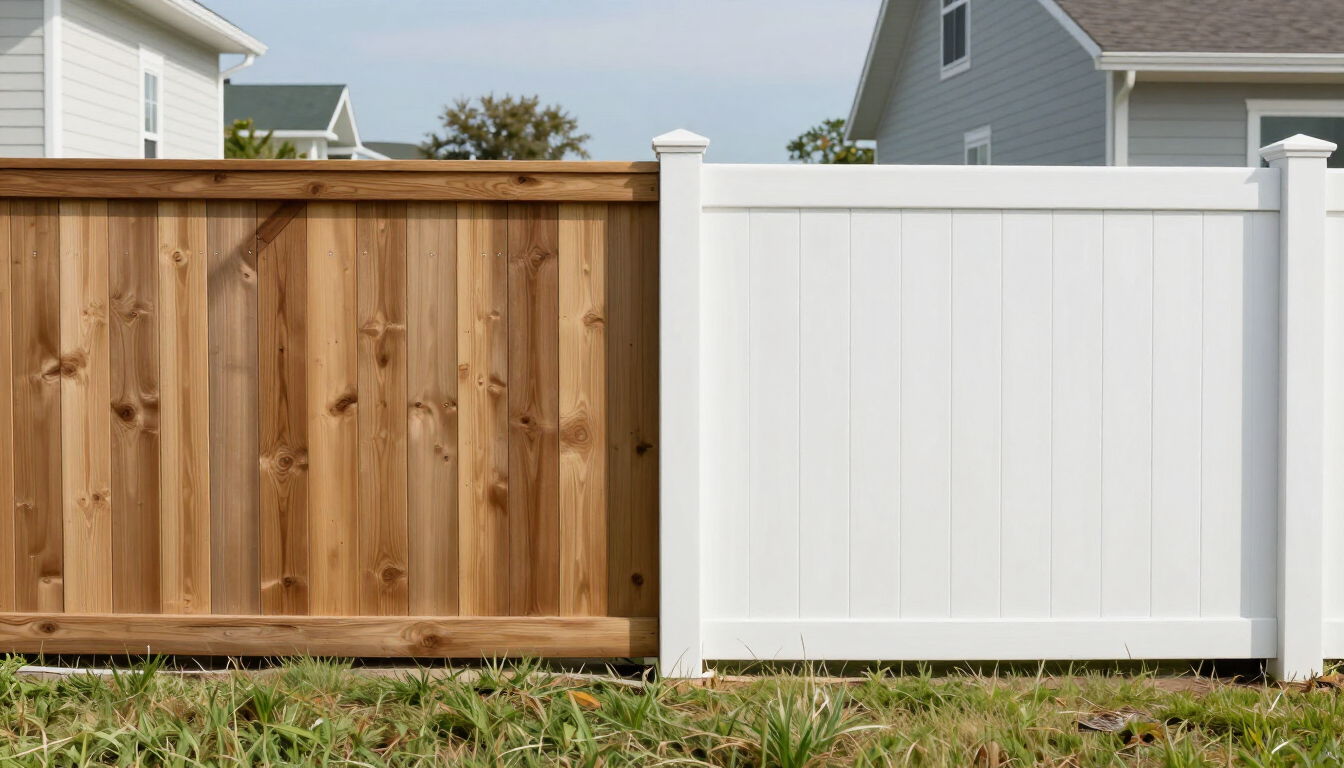
While traditional wood fences remain popular for privacy, vinyl fences offer several advantages that make them particularly appealing in coastal environments. Vinyl fencing resists moisture, does not rot or warp, and maintains its appearance for many years with very little upkeep.
For homeowners looking for a long-lasting fencing solution that performs well in humid coastal conditions, vinyl fencing is often an excellent choice.
What Is Vinyl Fencing?
Vinyl fencing is made from polyvinyl chloride (PVC), a durable plastic material designed to withstand outdoor conditions. Unlike wood, which can absorb moisture and deteriorate over time, vinyl is non-porous and highly resistant to weather damage.
Vinyl fence panels are typically manufactured in sections that connect to reinforced posts. These panels can be designed in a variety of styles, including privacy fencing, picket fencing, and decorative designs.
Because vinyl fencing is manufactured rather than cut from natural materials, it provides a consistent appearance and uniform construction.
Why Vinyl Fencing Is Popular in Coastal Communities
Homes in Clear Lake and Kemah are located near Galveston Bay, where the coastal climate can create challenges for outdoor materials. High humidity, salt air, and frequent storms can cause traditional materials to deteriorate faster.
Vinyl fencing performs particularly well in these environments because it resists many of the issues that affect wood or metal fences.
Several factors make vinyl fences well suited for Gulf Coast properties.
1. Exceptional Resistance to Moisture
Moisture is one of the biggest threats to traditional wood fencing. When wood absorbs water, it can swell, warp, crack, or eventually develop rot.
Vinyl fencing does not absorb water, which means it remains structurally stable even after heavy rainfall or long periods of humidity.
This moisture resistance is especially beneficial in coastal areas where rainfall and humidity are common.
Homeowners near Clear Lake and Kemah waterfront properties often choose vinyl fencing because it withstands damp conditions much better than untreated wood.
2. Minimal Maintenance Requirements
One of the most attractive benefits of vinyl fencing is the minimal maintenance it requires.
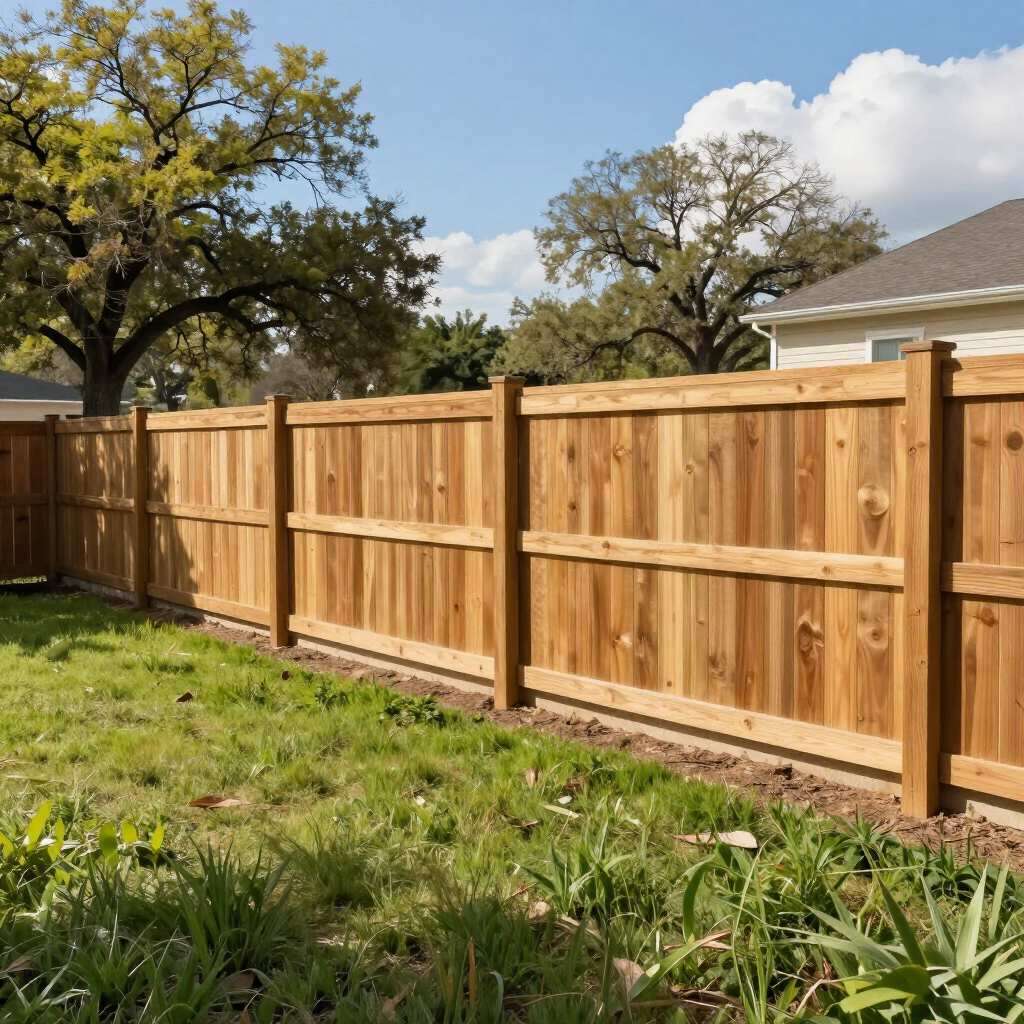
Wood fences typically need regular staining or sealing to protect them from moisture and sun exposure. Over time, boards may need to be replaced due to rot or warping.
Vinyl fences, on the other hand, require very little maintenance.
Basic care usually involves:
- Occasional rinsing with a hose
- Cleaning with mild soap if dirt accumulates
- Inspecting posts and hardware periodically
Because vinyl does not need staining or painting, homeowners can save time and maintenance costs over the life of the fence.
3. Long Lifespan
Vinyl fences are designed to last for many years. When properly installed, they can often last 20 to 30 years or more.
Unlike wood, vinyl does not:
- Rot
- Splinter
- Warp
- Attract insects
This durability makes vinyl fencing a long-term investment that can provide reliable performance for decades.
For homeowners planning to stay in their homes long-term, vinyl fencing offers excellent value.
4. Strong Resistance to Coastal Salt Air
Salt air can accelerate corrosion in many materials, especially metal components. In coastal areas like Kemah, exposure to salt can gradually break down certain types of fences.
Vinyl fencing is highly resistant to salt exposure because it does not corrode or rust.
This makes vinyl a practical option for properties located close to the water.
5. Clean and Consistent Appearance
Another advantage of vinyl fencing is its appearance. Because the material is manufactured rather than cut from natural wood, each panel has a uniform look.
Vinyl fences are available in several styles, including:
- Privacy fences
- Picket fences
- Decorative lattice designs
- Semi-private fencing
The most common colors include white, tan, and light neutral tones that complement many home styles.
Vinyl fences also maintain their color over time without needing repainting or staining.
6. Increased Property Value and Curb Appeal
A well-designed fence can enhance the overall appearance of a property. Vinyl fencing provides a clean and polished look that can improve curb appeal.
Because vinyl fences maintain their appearance for many years, they often remain attractive even as the property ages.
Many homeowners choose vinyl fencing for front yards, backyard enclosures, and pool areas because it offers both function and visual appeal.
7. Safe and Smooth Surface for Families
Vinyl fences have smooth surfaces without splinters or rough edges. This can be beneficial for households with children or pets.
Wood fences may eventually develop splinters as boards age and dry out. Vinyl fencing avoids this issue entirely.
Additionally, vinyl panels are designed to fit tightly together, which helps prevent small pets from slipping through gaps.
Comparing Vinyl Fences to Wood Fences
Both vinyl and wood fences offer advantages, but they differ in several key areas.
| Feature | Vinyl Fence | Wood Fence |
|---|---|---|
| Maintenance | Very low | Moderate |
| Lifespan | 20–30+ years | 15–20 years |
| Moisture Resistance | Excellent | Requires treatment |
| Appearance | Consistent | Natural look |
| Upfront Cost | Higher | Lower |
While vinyl fences may cost more initially, many homeowners choose them because they reduce long-term maintenance and repair costs.
Ideal Uses for Vinyl Fencing
Vinyl fencing works well in several residential settings.
Common uses include:
- Backyard privacy fences
- Pool enclosures
- Decorative front yard fencing
- Pet containment areas
Because vinyl panels are sturdy and resistant to weather, they are suitable for both large and small properties.
FAQs
How long does vinyl fencing last?
Vinyl fences can last 20 to 30 years or more when properly installed and maintained.
Does vinyl fencing require painting?
No. Vinyl fencing maintains its color without painting or staining.
Is vinyl fencing stronger than wood?
Vinyl fencing is highly durable and resistant to moisture, though both materials can be strong when installed properly.
Can vinyl fences handle strong winds?
Yes. When installed correctly with secure posts, vinyl fences can withstand typical Gulf Coast wind conditions.
Is vinyl fencing environmentally friendly?
Many vinyl fence products are recyclable and require fewer chemical treatments than wood fences.
Vinyl Fence Installation in Clear Lake, Kemah, and Texas City
Vinyl fencing offers a durable and low-maintenance solution for homeowners living in coastal environments. Its resistance to moisture, salt air, and weather exposure makes it especially suitable for homes along the Texas Gulf Coast.
Property owners in Clear Lake, Kemah, Texas City, League City, Friendswood, Dickinson, Santa Fe, Pasadena, Deer Park, and nearby communities often explore vinyl fencing when looking for a long-lasting and attractive fencing solution.
To learn more about available fencing options and installation services, visit:
https://www.gulfcoastfence.com
Recent Posts