7 Signs Your Fence Needs Repair or Replacement
How to Tell When It’s Time to Fix or Replace Your Fence
A fence is designed to protect your property, provide privacy, and improve the appearance of your home. However, like any outdoor structure, fences are constantly exposed to weather, moisture, and everyday wear. Over time, these conditions can weaken the structure and lead to damage that affects both safety and functionality.
In Texas City and across the Gulf Coast region, fences experience additional stress from humidity, salt air, heavy rainfall, and occasional storms. Because of this, even well-built fences eventually require repairs or replacement.
Recognizing the early warning signs of fence damage can help homeowners address issues before they become expensive problems. If you notice any of the following signs, it may be time to repair or replace your fence.
1. Leaning or Tilting Fence Posts
One of the most obvious signs of fence damage is when sections begin leaning or tilting.
Fence posts are the foundation of the entire structure. When they shift or weaken, the rest of the fence becomes unstable.
Common causes of leaning posts include:
- Soil erosion after heavy rain
- Posts that were not set deep enough
- Rotting wood at the base of the post
- Strong winds or storm damage
Leaning fences often start gradually and become worse over time. If caught early, individual posts may be reset with new concrete footings. However, if multiple posts are failing, replacing the fence may be the better long-term solution.
Homes throughout
Texas City, Dickinson, and League City sometimes experience shifting soil after storms, which can cause fence posts to loosen.
2. Rotting or Decaying Wood
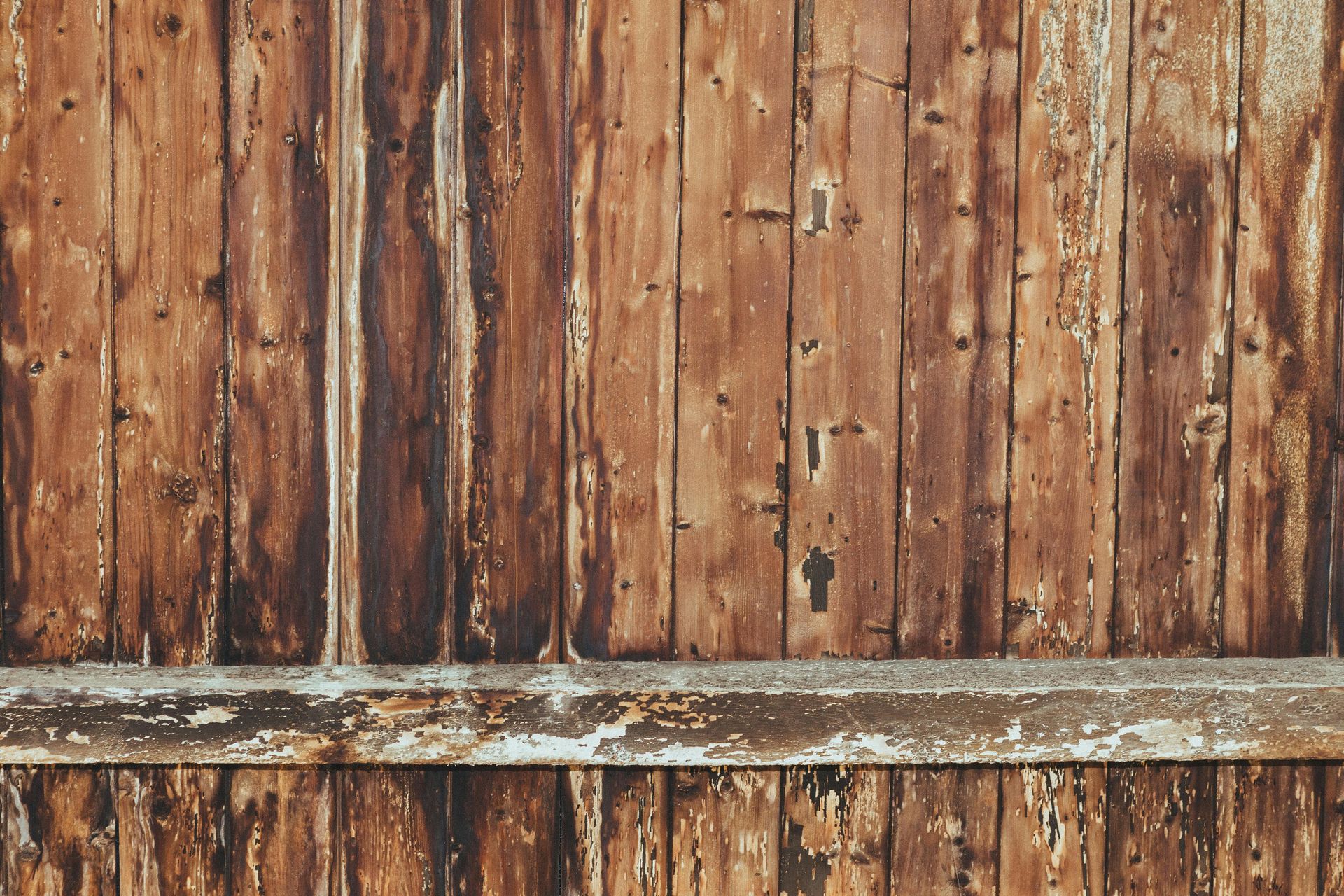
Wood fences are extremely popular throughout the Gulf Coast because they provide excellent privacy and a classic appearance. However, wood is vulnerable to moisture, especially in humid environments.
Signs of wood rot include:
- Soft or spongy boards
- Dark discoloration in the wood
- Crumbling sections near the base of posts
- Fungal or mold growth
Rot typically begins near the ground where moisture collects. Once rot spreads, the structural strength of the fence declines quickly.
In many cases, replacing damaged boards can extend the life of the fence. But if rot affects the posts or multiple sections, a larger repair or replacement may be required.
3. Broken or Missing Fence Boards
Fence boards can become damaged over time due to weather exposure, impacts, or natural aging.
Broken boards may result from:
- Storm debris
- Lawn equipment accidents
- Warping from temperature changes
- Aging wood becoming brittle
Even a single missing board can reduce privacy and make a fence look neglected. Fortunately, individual boards can often be replaced without rebuilding the entire fence.
However, widespread board damage may indicate that the fence is nearing the end of its lifespan.
4. Rusted or Failing Hardware
Fence hardware includes nails, screws, hinges, and brackets that hold the structure together.
Over time, exposure to moisture and salty coastal air can cause hardware to corrode. When this happens, the fence may begin to loosen or shift.
Common signs of hardware failure include:
- Loose fence panels
- Rust stains around fasteners
- Gates that sag or drag
- Hinges that squeak or stick
Replacing rusted hardware can restore stability and extend the life of the fence.
Homeowners near Clear Lake and Kemah often experience faster hardware corrosion due to coastal salt exposure.
5. Warped or Twisted Fence Panels
Wood expands and contracts with changes in temperature and humidity. Over time, this movement can cause boards to warp or twist.
Warped fence panels may create:
- Gaps between boards
- Uneven fence lines
- Reduced privacy
- Weak points in the structure
Warping is especially common in older fences or fences that were built using untreated wood.
Replacing warped boards can restore the fence's appearance and structural integrity.
6. Gates That No Longer Close Properly
Fence gates receive more use than any other part of the fence. Because they open and close frequently, they are often the first area to show signs of structural problems.
A gate that no longer closes correctly may be caused by:
- Loose hinges
- Warped wood
- Shifting posts
- Uneven ground
If the gate begins dragging along the ground or becomes difficult to latch, repairs may be necessary.
Fixing gate issues quickly can prevent further damage to the surrounding fence structure.
7. Severe Storm Damage
Storms are one of the most common causes of fence damage along the Texas Gulf Coast.
Strong winds, heavy rain, and flying debris can damage even well-built fences.
Storm damage may include:
- Fallen fence sections
- Bent metal fencing
- Broken posts
- Missing panels
After severe weather, it is a good idea to inspect the entire fence for structural issues. Sometimes damage is obvious, but other times it may be hidden in weakened posts or loose panels.
Prompt repairs can prevent further deterioration.
When Fence Repair Is the Best Option
Not every damaged fence needs to be replaced. In many cases, repairs can extend the life of the fence for several years.
Repairs are often possible when:
- Damage is limited to a few boards
- Posts are still structurally sound
- The fence is relatively new
- Hardware simply needs replacement
Addressing minor repairs early is often the most cost-effective solution.
When Fence Replacement Makes More Sense
In some situations, replacing the fence may be the better long-term option.
Replacement may be recommended when:
- The fence is more than 20 years old
- Multiple posts are rotting or unstable
- Large sections are damaged
- Repairs would cost nearly as much as a new fence
Newer fencing materials can also offer better durability and require less maintenance.
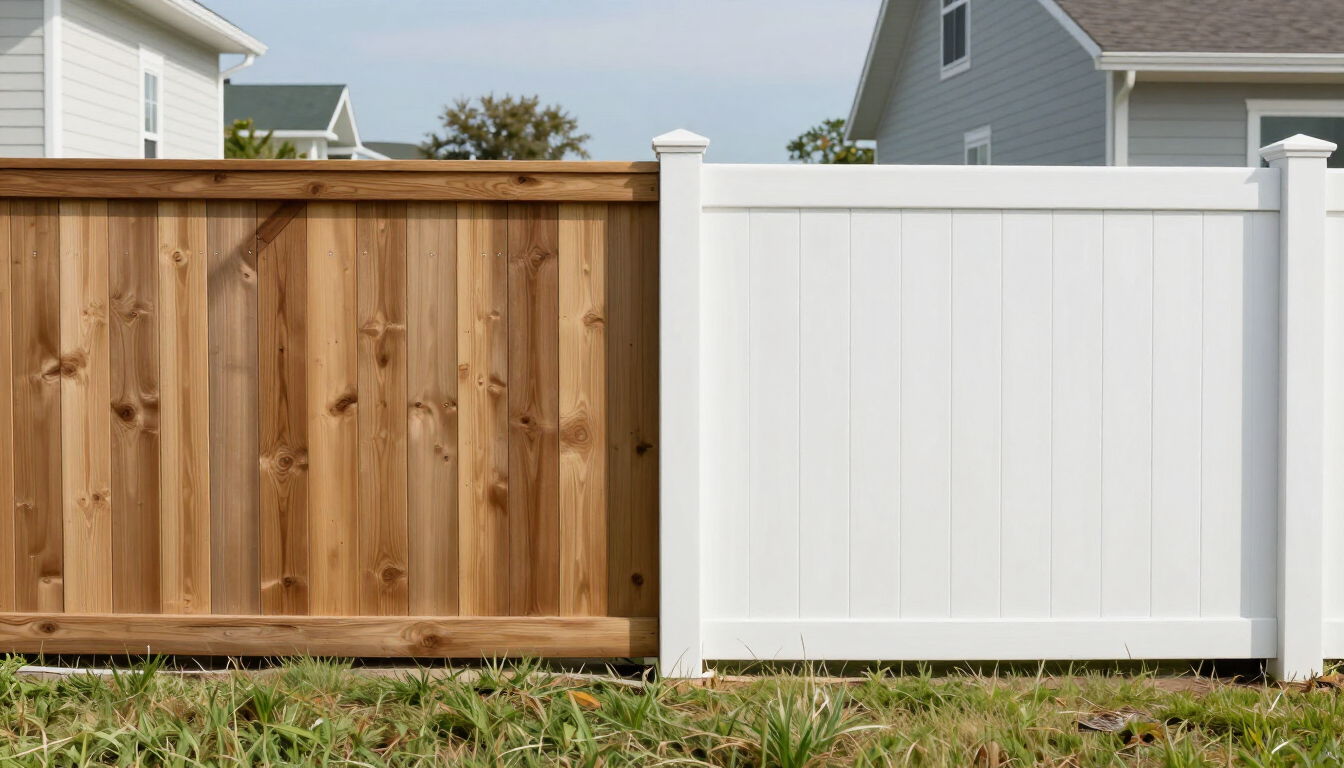
Many homeowners choose to upgrade to vinyl or reinforced wood fencing when replacing older fences.
How to Extend the Life of Your Fence
Regular maintenance can significantly increase the lifespan of a fence.
Recommended maintenance practices include:
- Inspecting the fence once or twice per year
- Staining or sealing wood fences every few years
- Tightening loose hardware
- Clearing debris after storms
- Trimming vegetation that grows against the fence
These simple steps help protect the fence from long-term damage.
FAQs
How long does a typical fence last in Texas?
Wood fences usually last 15 to 20 years, while vinyl and aluminum fences can last 25 years or longer with proper installation.
Can leaning fence posts be repaired?
Yes. Fence posts can often be reset in concrete if the surrounding structure is still in good condition.
How much does fence repair usually cost?
Repair costs vary depending on the extent of the damage. Minor repairs may cost a few hundred dollars, while larger repairs may cost more.
How can I prevent fence damage during storms?
Regular inspections, secure posts, and removing loose debris around the fence can help reduce storm damage.
Should I repair my fence or replace it?
If damage is limited to a few sections, repairs may be sufficient. However, widespread structural damage may require replacement.
Protecting Your Fence in Texas City and the Gulf Coast
Fences are an important part of maintaining privacy, safety, and curb appeal for homes throughout Texas City and surrounding communities. Regular inspections and timely repairs help prevent small issues from turning into costly replacements.
Homeowners in
Texas City, La Porte, Deer Park, Pasadena, League City, Friendswood, Dickinson, Santa Fe, Clear Lake, Kemah, and Tiki Island
often rely on experienced fencing professionals to evaluate fence damage and recommend the best solutions.
Learn more about available services at:
https://www.gulfcoastfence.com
Recent Posts