How Much Does Fence Installation Cost in Texas City, TX? (2026 Pricing Guide)
Fence Installation Costs in Texas City, TX – 2026 Guide
Fence installation is one of the most common home improvement projects for homeowners in Texas City and the surrounding Gulf Coast communities. Whether you want to add privacy, improve security, or enhance your property's appearance, installing a fence is a practical investment. In Texas City, TX, most fence installation projects cost between
$20 and $60 per linear foot, depending on materials, property size, terrain conditions, and customization options. For an average residential yard, homeowners often spend
between $2,500 and $8,500, although larger properties or premium fencing materials may increase the total cost.
Understanding what influences fencing prices can help homeowners plan their projects more effectively and choose a solution that fits both their budget and their long-term property needs.
Average Fence Installation Costs in Texas City
Fence installation pricing varies based on the material used and the size of the property. The following estimates reflect common fence types installed throughout Texas City, League City, and nearby communities.
Typical Fence Installation Costs
- Wood Fence: $25 – $45 per linear foot
- Vinyl Fence: $35 – $60 per linear foot
- Chain Link Fence: $20 – $35 per linear foot
- Aluminum Fence: $40 – $70 per linear foot
For example, if a homeowner installs 200 linear feet of fencing, the project might cost anywhere from $4,000 to $9,000, depending on the material and site conditions.
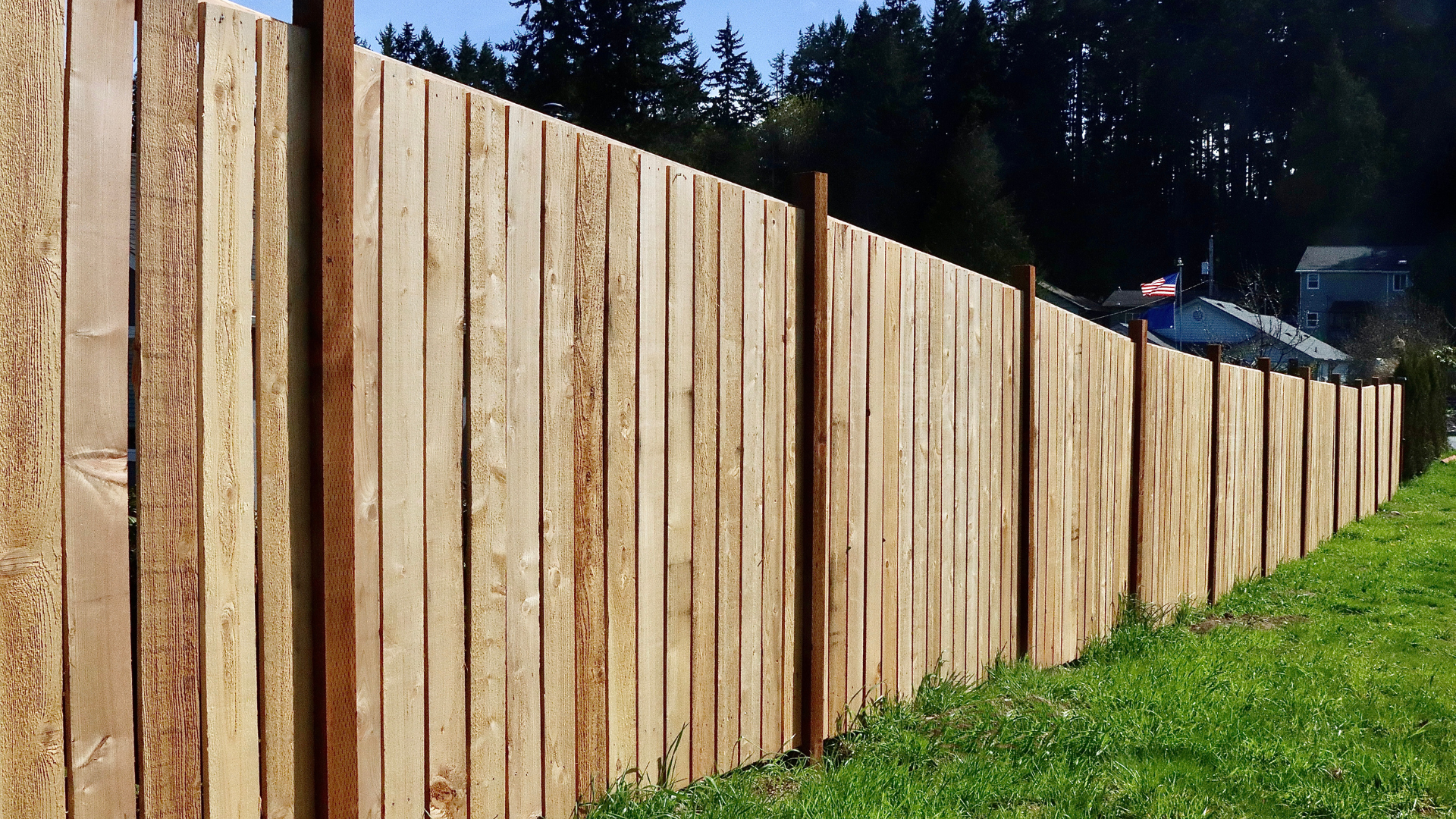
Homes in neighborhoods like Friendswood, Clear Lake, Dickinson, and Deer Park frequently install wood privacy fences because they provide security while maintaining a traditional residential appearance.
Vinyl fencing is also becoming more popular among Gulf Coast homeowners due to its durability and low maintenance requirements.
Factors That Influence Fence Installation Pricing
Several factors influence the final cost of a fencing project. Understanding these variables helps homeowners estimate their budget more accurately.
Fence Material
The material used for a fence has the biggest impact on price.
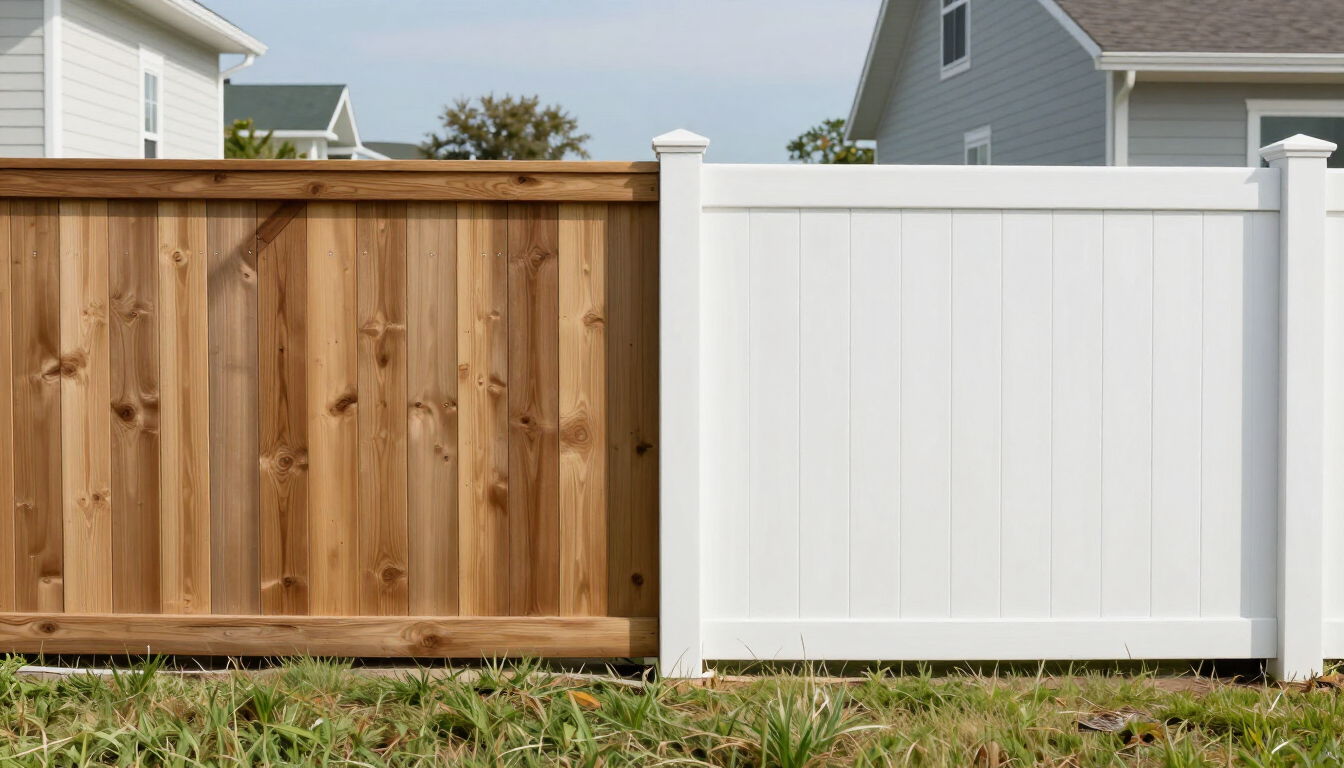
Wood fencing tends to be more affordable upfront but requires occasional maintenance. Vinyl and aluminum fences cost more initially but often last longer and require less upkeep.
Each material offers different benefits depending on the homeowner's priorities.
Property Size and Fence Length
The more fencing required, the higher the total cost of the project. Fence installation is typically priced by linear foot, meaning larger yards require more materials and labor.
For example:
- Small yards may require
100–150 feet of fencing
- Average yards often need
150–250 feet
- Large properties may exceed
300 feet
Fence Height
Most residential privacy fences are 6 feet tall, but homeowners sometimes choose taller fences for additional privacy or security. Taller fences require more materials and stronger support posts, which increases costs.
Terrain and Soil Conditions
Ground conditions can also affect installation difficulty.
Texas City properties may include:
- Sandy soil
- Clay soil
- Tree roots
- Sloped terrain
These conditions can require additional labor or specialized equipment when installing posts.
Gates and Custom Features
Adding gates, decorative trim, or specialty designs will also increase the final price.
Common additions include:
- Walk-through gates
- Double driveway gates
- Decorative post caps
- Custom fence layouts
While these upgrades increase cost, they also improve functionality and curb appeal.
Why Coastal Texas Fence Installation Requires Experience
Homes along the Gulf Coast face unique environmental conditions that affect fences. Texas City experiences high humidity, salty air, strong winds, and occasional severe storms.
Without proper installation techniques, fences may deteriorate faster in coastal climates.
Experienced fencing contractors often use installation methods designed for these conditions, such as:
- Pressure-treated lumber
- Galvanized hardware to prevent rust
- Deep-set fence posts secured with concrete
- Reinforced structural supports
These methods help ensure fences remain durable despite the challenges of coastal weather.
Wood Fence Costs in Texas City
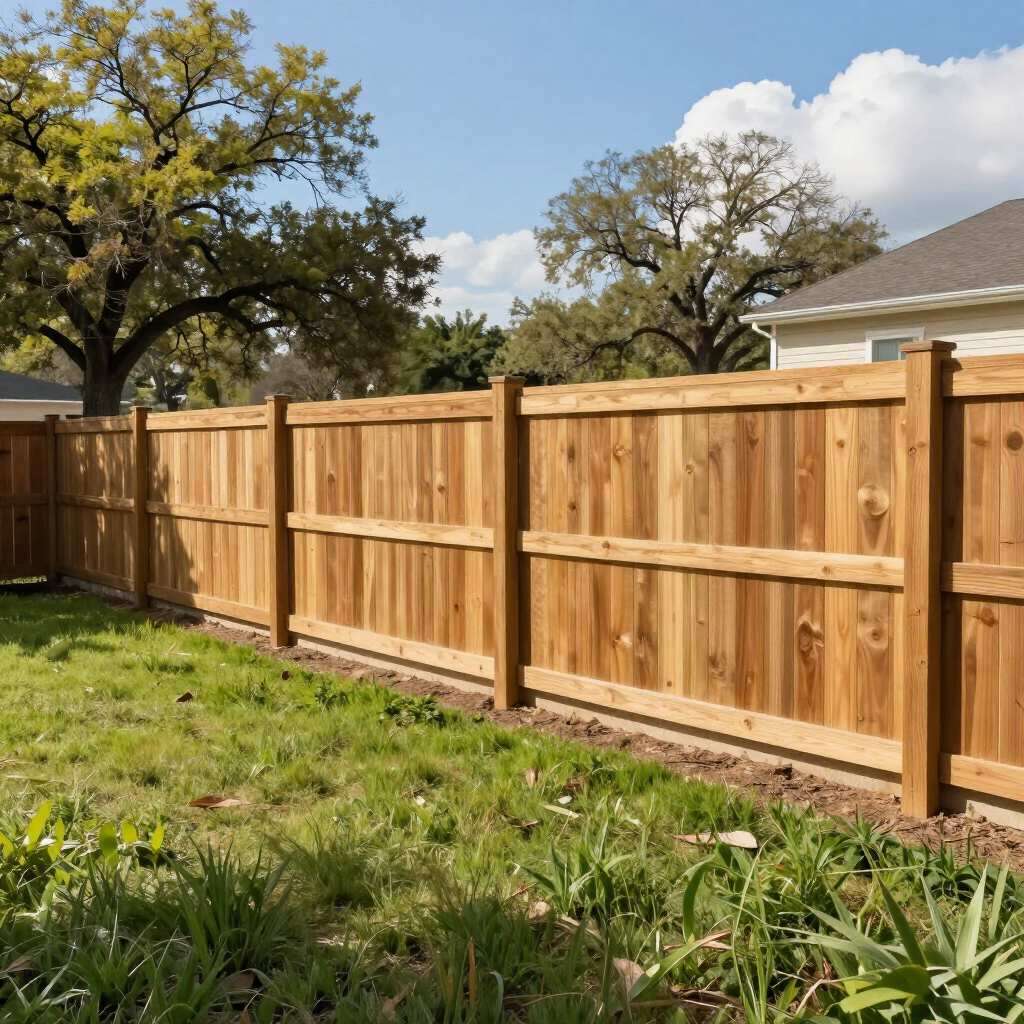
Wood fencing remains the most common residential fence type in Texas City. It provides privacy, security, and a natural appearance that blends well with many home styles.
Pressure-treated pine is frequently used because it resists moisture and insects better than untreated lumber.
Advantages of wood fences include:
- Affordable installation costs
- Strong privacy protection
- Customizable design options
- Easy repair if individual boards become damaged
With proper maintenance such as staining or sealing, a wood fence can last
15 to 20 years.
Many homes in League City, Santa Fe, and Pasadena install wood privacy fences because they balance affordability with durability.
Vinyl Fence Costs and Benefits
Vinyl fencing is a popular option for homeowners who want a long-lasting fence with minimal maintenance.
Unlike wood, vinyl does not rot, warp, or require painting. It also resists insect damage and holds up well in humid environments.
Benefits of vinyl fencing include:
- Low maintenance
- Clean and consistent appearance
- Long lifespan
- Weather resistance
Although vinyl fencing costs more upfront than wood, many homeowners choose it because it eliminates the need for frequent repairs or staining.
Vinyl fences are especially common in waterfront communities like Kemah and Clear Lake, where salt air can accelerate the deterioration of other materials.
Chain Link Fence Pricing
Chain link fences are among the most affordable fencing options available.
They are commonly used for:
- Residential backyards
- Commercial properties
- Pet enclosures
- Security perimeters
Advantages of chain link fencing include:
- Budget-friendly installation
- Long lifespan
- Low maintenance
- Fast installation
Many businesses throughout Texas City use chain link fencing to secure warehouses, storage yards, and commercial properties.
Typical Fence Installation Timeline
Most residential fence projects can be completed within
one to three days, depending on the size of the property and weather conditions.
The installation process usually includes the following steps:
- Measuring and marking the property boundaries
- Digging post holes and preparing the ground
- Setting fence posts with concrete
- Installing horizontal rails and panels
- Hanging gates and hardware
- Inspecting the finished fence for stability
Larger properties or custom designs may require additional time.
Long-Term Value of Installing a Fence
Beyond improving privacy and security, installing a fence can also increase a property's overall appeal. Many homeowners view fencing as a long-term investment that enhances outdoor living spaces.
Benefits include:
- Increased property value
- Improved backyard privacy
- Better safety for children and pets
- Defined property boundaries
- Enhanced curb appeal
For homeowners planning to sell in the future, a well-installed fence can make a property more attractive to buyers.
FAQs About Fence Installation in Texas City
How much fencing does the average yard need?
Most residential yards require between
150 and 300 linear feet of fencing, depending on property size.
What is the most affordable fence to install?
Chain link fencing is generally the most affordable option.
How long do fences typically last in Texas?
Wood fences often last
15–20 years, while vinyl and aluminum fences may last
25 years or more with proper installation.
Do I need to check property lines before installing a fence?
Yes. Verifying property boundaries helps prevent disputes with neighbors and ensures the fence is installed in the correct location.
Does a fence increase home value?
Many buyers prefer homes with fenced yards, particularly families with children or pets. A quality fence can improve resale appeal.
Fence Installation in Texas City and the Gulf Coast Region
Installing a fence is an important decision that affects both the functionality and appearance of your property. Because of the Gulf Coast climate, choosing the right materials and installation methods is essential for long-term durability.
Homeowners in
Texas City, League City, Friendswood, Dickinson, Clear Lake, Kemah, Santa Fe, and Deer Park often benefit from working with experienced local fencing professionals who understand the region's weather conditions and soil types.
To learn more about residential fencing services, visit: https://www.gulfcoastfence.com
Recent Posts