Do You Need a Permit to Build a Fence in Texas City, TX?
What to Know About Fence Permits
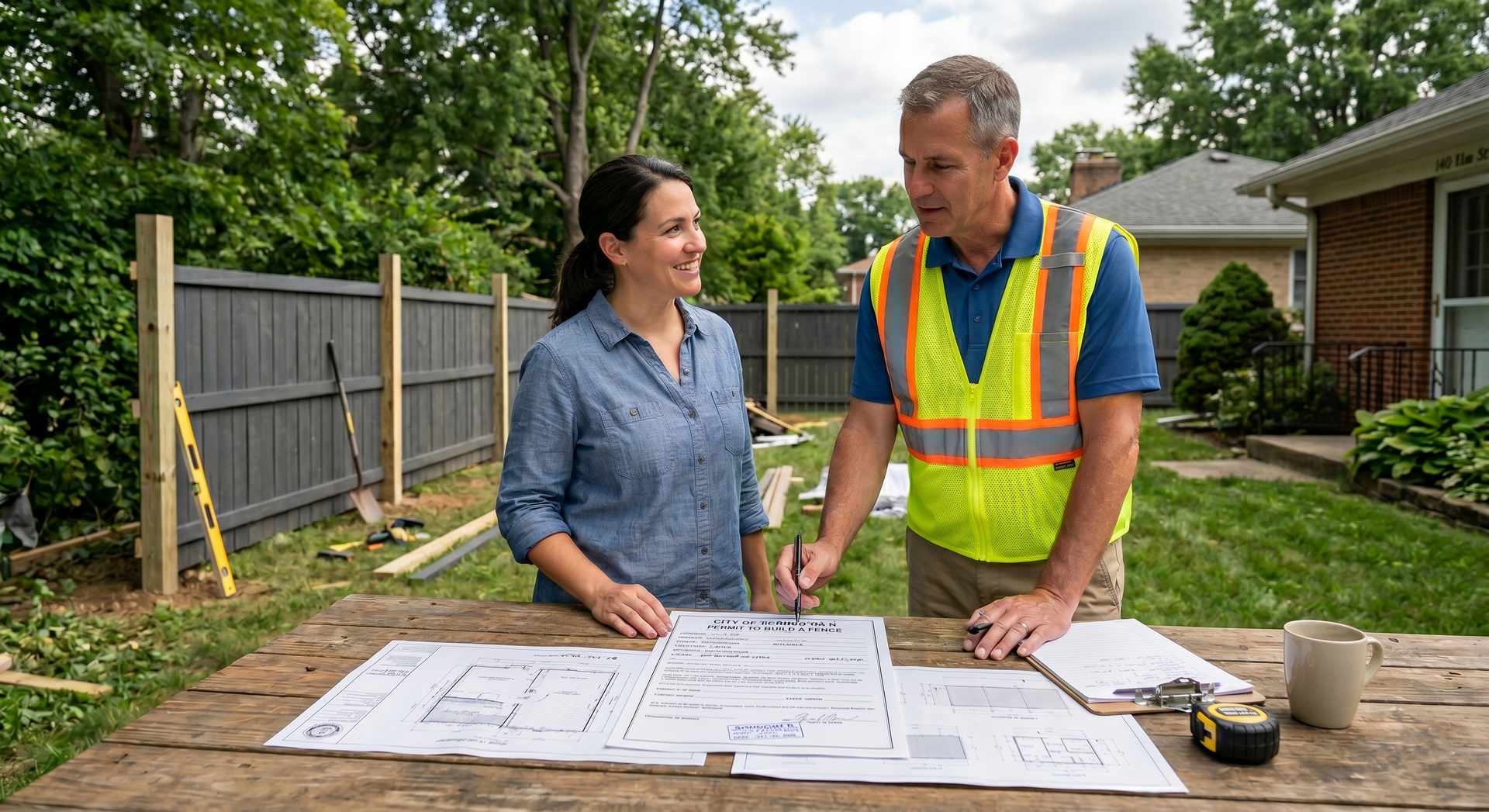
If you’re planning to install a new fence around your home in Texas City, one of the first questions you may ask is whether a permit is required. In many cases, homeowners do need to follow certain city regulations or obtain approval before building a fence. Local rules can vary depending on property location, fence height, and neighborhood guidelines.
In Texas City, fencing projects typically must follow municipal zoning rules that regulate
fence height, placement, and safety considerations. While not every residential fence requires a permit, it is important to verify local requirements before starting installation. Taking the time to check regulations helps prevent fines, disputes with neighbors, or having to remove a newly installed fence.
Understanding the basic fencing rules in Texas City can help homeowners plan their projects confidently while ensuring their fence meets local standards.
Why Fence Permits Exist
Fence permits and regulations exist primarily to maintain safety and neighborhood consistency. Local governments create these guidelines to ensure fences do not block visibility, interfere with utilities, or create hazards for nearby properties.
Common reasons cities regulate fences include:
- Maintaining clear visibility near roadways and intersections
- Preventing structures from being built over property lines
- Protecting underground utilities and infrastructure
- Ensuring fences do not exceed safe height limits
- Preserving neighborhood appearance and property values
Permits also help ensure fences are constructed safely and securely, which is especially important in regions that experience strong storms and high winds.
Typical Fence Height Rules in Texas City
One of the most common regulations involves fence height. Many cities, including Texas City, limit how tall fences can be depending on where they are located on the property.
Typical residential fence guidelines often include:
- Backyard fences: Up to 6 feet tall
- Side yard fences: Up to 6 feet tall
- Front yard fences: Often limited to 3–4 feet
Front yard height limits exist because tall fences can block drivers’ visibility and create safety hazards near streets and intersections.
Homeowners who want a taller fence may sometimes request special approval, depending on local zoning rules.
Property Line and Setback Requirements
Before installing a fence, it is important to confirm where your property boundaries are located. Building a fence on the wrong side of the property line can lead to disputes with neighbors and potential legal issues.
Many fencing contractors recommend verifying property boundaries by reviewing:
- Property surveys
- Property deeds
- Subdivision plats
Some homeowners choose to hire a surveyor to confirm boundaries before construction begins.
In addition to property lines, some neighborhoods have
setback rules, which require fences to be installed a certain distance from streets, sidewalks, or easements.
Understanding Utility Easements
Utility easements are areas of land where utility companies have the right to access underground lines such as water pipes, sewer lines, gas lines, or electrical cables.
These easements are often located along the back or sides of residential properties.
While fences can sometimes be installed along easement areas, homeowners should be aware that utility companies may remove or temporarily dismantle fencing if access is needed for maintenance or repairs.
Before digging post holes, it is recommended to contact utility marking services to identify underground lines. This helps prevent accidental damage during fence installation.
HOA Fence Regulations
Many communities around Texas City, League City, and Friendswood include homeowners associations (HOAs). If your property is located within an HOA, there may be additional fencing guidelines beyond city regulations.
Common HOA fence requirements may include:
- Approved fence materials
- Specific fence colors or finishes
- Maximum fence heights
- Placement restrictions
- Style guidelines for neighborhood consistency
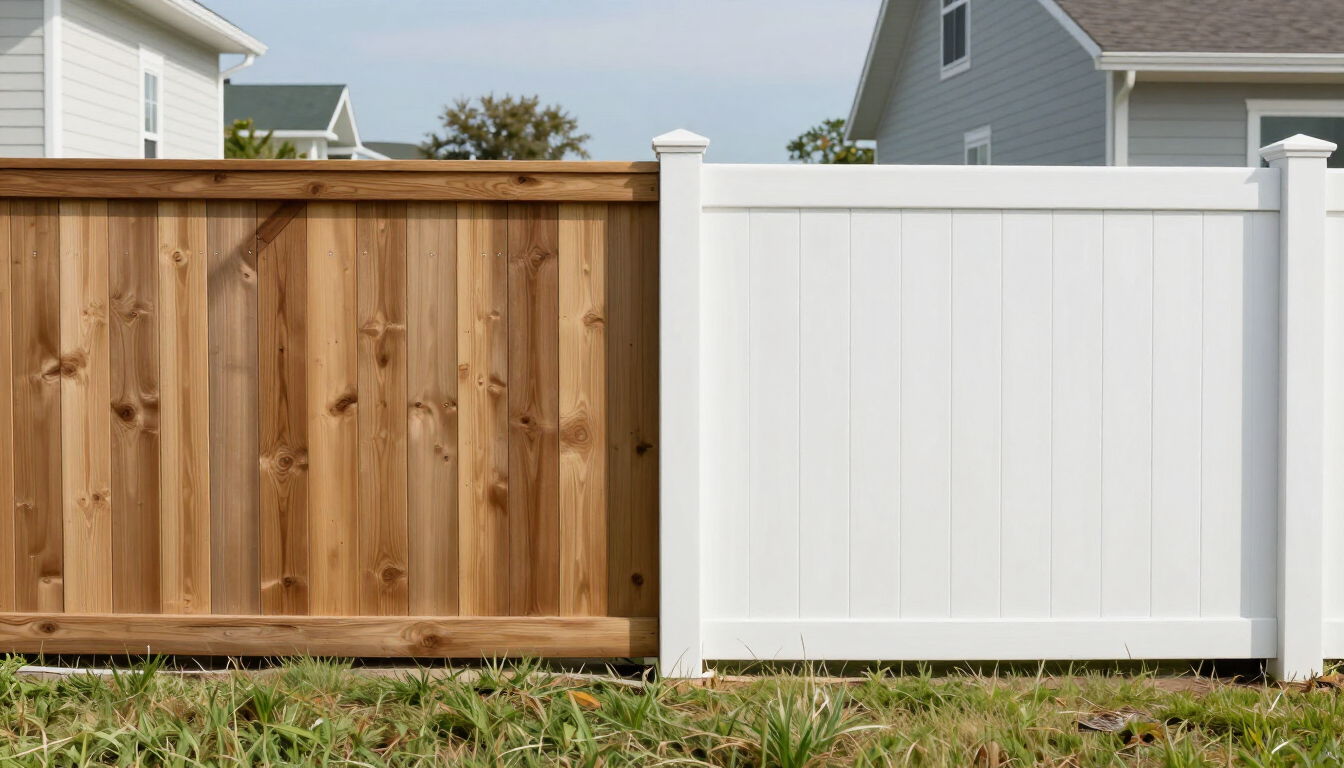
For example, some HOAs only allow wood privacy fences, while others may permit vinyl or ornamental metal fences.
Before installing a fence, homeowners should review their HOA rules and obtain approval if necessary.
Common Fence Materials Approved in Texas City
Several types of fences are commonly installed in Texas City and surrounding Gulf Coast communities. These materials are widely used because they perform well in the coastal climate.
Wood Fences
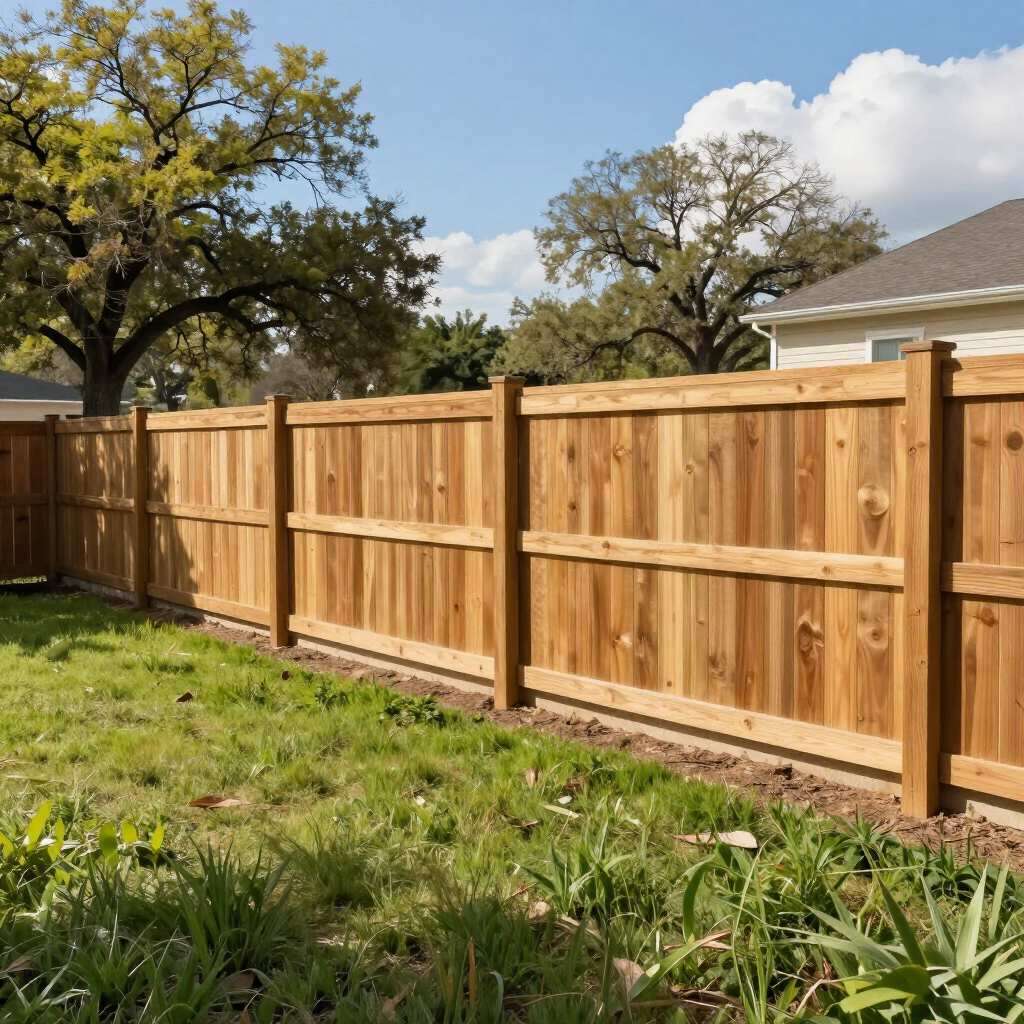
Wood privacy fences remain one of the most popular options for residential properties.
Benefits include:
- Strong privacy protection
- Customizable height and design
- Affordable installation cost
- Natural appearance that complements many homes
Pressure-treated wood is commonly used because it resists insects and moisture damage.
Vinyl Fences
Vinyl fencing is another popular option due to its durability and low maintenance requirements.
Advantages include:
- Resistance to rot and moisture
- Minimal maintenance
- Long lifespan
- Clean and modern appearance
Vinyl fences are especially popular in areas near Clear Lake and Kemah, where humidity and salt air can affect other materials.
Chain Link Fences
Chain link fencing is frequently used for both residential and commercial properties.
Common uses include:
- Backyard enclosures
- Pet containment
- Security fencing
- Commercial property boundaries
Chain link fences are known for their durability and cost-effectiveness.
Aluminum Fences
Aluminum fencing provides an attractive decorative option while offering strong durability.
These fences are often used around:
- Front yards
- Swimming pools
- Decorative property boundaries
Aluminum fences resist rust and corrosion, making them a practical choice for coastal environments.
Steps to Take Before Building a Fence
If you are planning a fence installation project in Texas City, taking a few preparation steps can help the process go smoothly.
Recommended steps include:
- Verify local permit requirements with the city
- Check HOA guidelines if applicable
- Confirm property boundaries
- Identify underground utility lines
- Choose the appropriate fence material and height
Following these steps helps ensure the project meets local regulations and avoids potential complications.
Why Professional Fence Installation Matters
Installing a fence may seem straightforward, but professional installation helps ensure the fence meets building guidelines and remains structurally sound.
Experienced fencing contractors understand local regulations and installation best practices. They can also help homeowners choose the right materials for the Gulf Coast climate.
Professional installation helps ensure:
- Posts are set deep enough for stability
- Proper spacing between panels
- Secure hardware installation
- Compliance with local codes
A properly installed fence will last longer and perform better during storms and changing weather conditions.
FAQs
Do I always need a permit to build a fence in Texas City?
Permit requirements vary depending on fence height and location. It is always best to check with the city before beginning construction.
What happens if I build a fence without following local regulations?
If a fence violates city rules or property lines, homeowners may be required to modify or remove it.
How tall can my backyard fence be?
Most residential backyard fences are allowed up to
6 feet tall, though exact regulations may vary.
Do I need to talk to my neighbor before building a fence?
While not always required, discussing plans with neighbors can help prevent disputes and ensure everyone understands property boundaries.
Can I install a fence directly on my property line?
This depends on local zoning regulations and neighborhood rules. Verifying boundaries is important before construction.
Fence Installation in Texas City and Surrounding Communities
Installing a fence is a great way to improve privacy, security, and property appearance. However, understanding local regulations helps ensure the project is completed without unexpected complications.
Homeowners in
Texas City, La Porte, Deer Park, Pasadena, League City, Friendswood, Dickinson, Santa Fe, Hitchcock, Clear Lake, Kemah, and Tiki Island benefit from working with fencing professionals who understand local building guidelines and coastal conditions.
To explore available fencing options, visit:
https://www.gulfcoastfence.com
Recent Posts