Fence Height Rules and HOA Guidelines in League City and Friendswood
What Homeowners Need to Know Before Building or Replacing a Fence

Installing a fence can improve privacy, enhance security, and add value to your home. However, before building a new fence in League City or Friendswood, Texas, homeowners should understand the local regulations that may apply. Cities often have rules governing fence height, placement, and safety requirements. In addition, many neighborhoods are governed by homeowners associations (HOAs) that enforce their own guidelines for fence style and materials.
Following these rules is important because building a fence that violates local regulations could lead to fines, complaints from neighbors, or even the requirement to modify or remove the fence entirely. By understanding the height restrictions and approval processes ahead of time, homeowners can plan their fencing projects more effectively.
This guide explains the most common fence height rules and HOA considerations that homeowners should know before installing a fence in League City or Friendswood.
Why Cities Regulate Fence Height
Municipal regulations exist to maintain safety and consistency within residential communities. Fence height restrictions help ensure that fences do not create hazards or interfere with visibility in certain areas.
Cities typically regulate fence height for several reasons:
- To maintain visibility near intersections and roadways
- To prevent fences from obstructing sidewalks or public spaces
- To ensure consistent neighborhood appearance
- To protect access to utilities and easements
These guidelines help maintain safe and organized communities while still allowing homeowners to install fences that meet their privacy and security needs.
Typical Fence Height Limits for Residential Properties
While exact regulations may vary slightly between cities, most residential fence height rules follow similar guidelines.
Backyard Fences
Backyard fences are usually allowed to be taller because they do not interfere with street visibility. In many cases, backyard fences may be up to 6 feet tall.
This height is commonly used for privacy fencing because it blocks visibility into the yard from neighboring properties.
Side Yard Fences
Side yard fences typically follow the same height limit as backyard fences. In most residential areas, side yard fences may also reach 6 feet in height.
However, placement may be restricted near certain property lines or easements.
Front Yard Fences
Front yard fences often have stricter height restrictions because tall fences can block visibility for drivers and pedestrians.
Many cities limit front yard fences to 3 to 4 feet in height. Decorative fencing styles such as picket fences are commonly used in front yards because they provide a visual boundary without obstructing views.
Corner Lot Considerations
Homes located on corner lots often face additional restrictions because fences placed near intersections could block drivers’ sightlines.
In these cases, cities may require a visibility triangle, which is a clear area near the corner where tall structures are not allowed.
Within this zone, fence height may be restricted to ensure drivers can see oncoming traffic.
Homeowners with corner properties should verify placement requirements before installing a fence.
Understanding Property Lines
One of the most important steps before installing a fence is confirming the location of property boundaries. Building a fence in the wrong location can create disputes with neighbors and potential legal complications.
Property boundaries can be verified by reviewing:
- Property surveys
- Title documents
- Subdivision maps
Some homeowners choose to hire a professional surveyor to ensure the fence is installed within their property lines.
Proper placement helps prevent future conflicts and ensures compliance with local regulations.
Utility Easements and Fence Placement
Utility easements are areas of land where utility companies have the right to access underground infrastructure such as water, gas, sewer, or electrical lines.
These easements are often located along the edges of residential properties.
While fences can sometimes be installed within easement areas, homeowners should be aware that utility companies may need to access these areas for maintenance or repairs. In some cases, fencing may need to be temporarily removed.
Before digging post holes, homeowners should confirm that underground utilities are properly marked.
HOA Fence Guidelines
In many neighborhoods throughout League City and Friendswood, homeowners associations enforce additional fencing guidelines.
HOA rules often regulate:
- Fence height
- Fence materials
- Fence color
- Fence style and design
- Fence placement within the property
For example, some HOAs may require wooden privacy fences while prohibiting chain link fencing in residential areas.
Other associations may require fences to follow a specific color or stain to maintain a consistent neighborhood appearance.
Obtaining HOA Approval
Before installing a fence, homeowners in HOA communities typically need to submit a request for approval.
This process may involve providing:
- Fence design plans
- Material specifications
- Fence height and layout
- Property diagrams
HOA boards review these proposals to ensure the fence complies with community guidelines.
Receiving approval before construction begins can help prevent delays or compliance issues later.
Choosing the Right Fence for Your Neighborhood
When selecting a fence design, homeowners should consider both city regulations and HOA requirements.
Several fence types are commonly approved in residential neighborhoods.
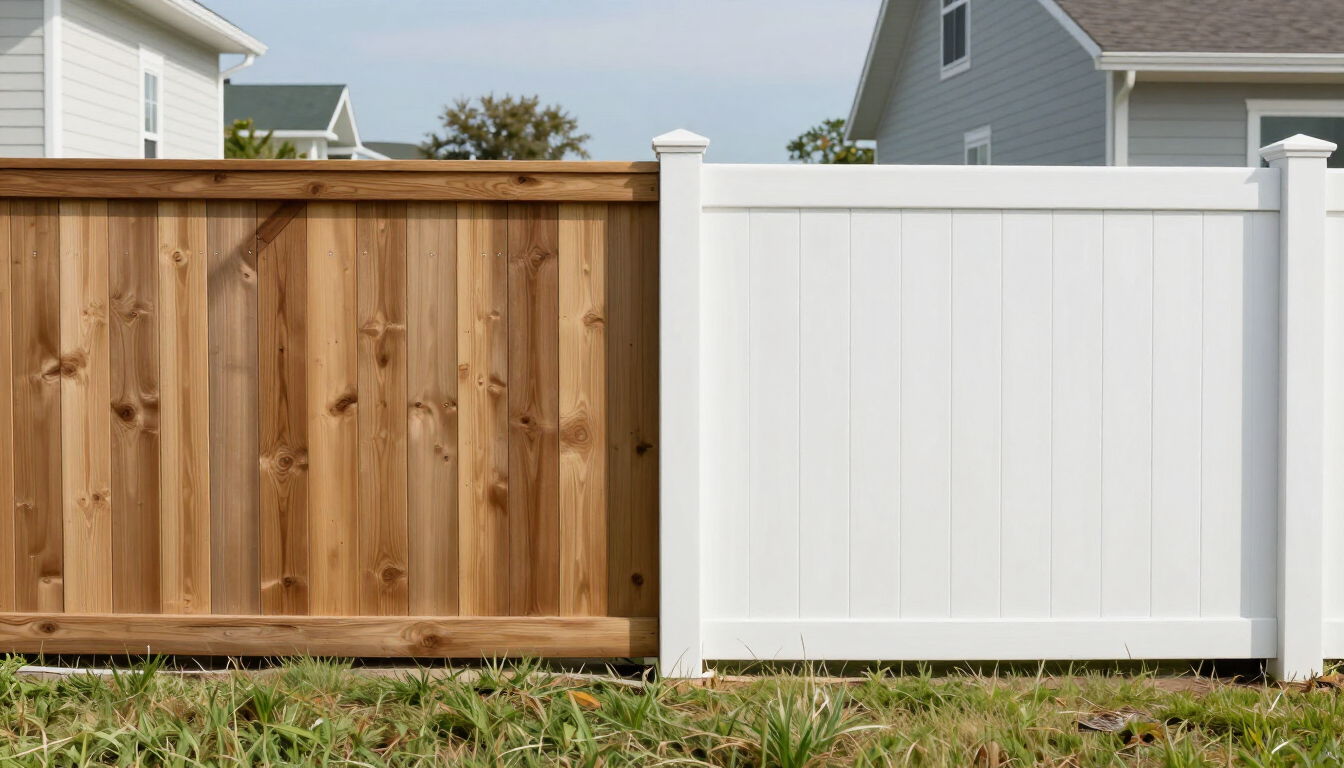
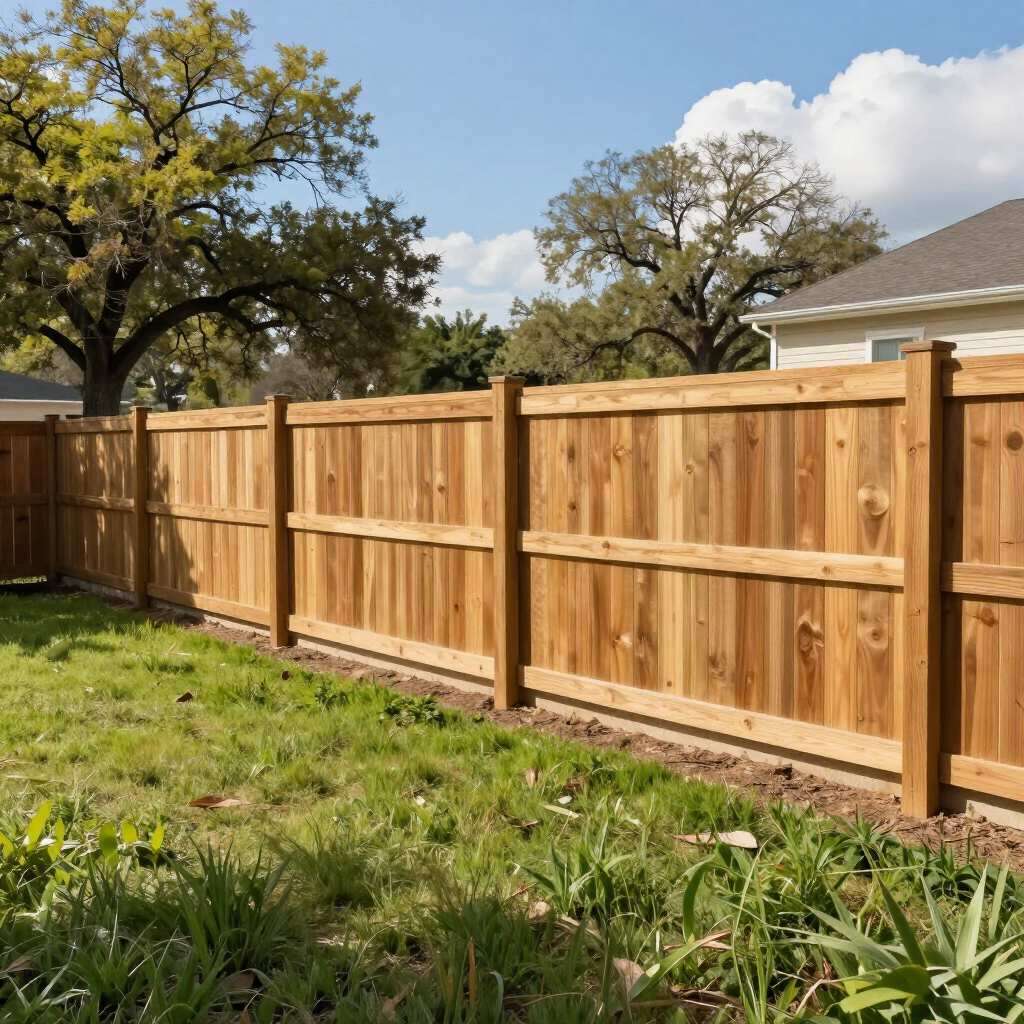
Wood Privacy Fences
Wood privacy fences are widely used because they provide excellent privacy and can be customized to match the style of the home.
Pressure-treated wood helps resist moisture and insect damage, making it suitable for Gulf Coast climates.
Vinyl Fences
Vinyl fencing is another popular option due to its durability and minimal maintenance requirements.
Vinyl fences do not rot or warp and often maintain their appearance for many years.
Decorative Metal Fences
Aluminum or ornamental metal fences are commonly used for front yards or decorative property boundaries.
These fences offer an attractive appearance while still providing security.
Working With Professional Fence Installers
Fence installation may seem simple, but local regulations and property requirements can make the process more complex.
Professional fence installers often understand the local guidelines for communities throughout League City and Friendswood. They can help homeowners select fence designs that meet both city codes and HOA requirements.
Professional installation also ensures that:
- Fence posts are installed securely
- Panels are aligned correctly
- Gates operate properly
- The fence remains durable in coastal weather conditions
Working with experienced installers can help ensure the project runs smoothly from start to finish.
FAQs
What is the typical height limit for backyard fences?
Most backyard fences are allowed to be up to 6 feet tall, though homeowners should confirm local regulations.
How tall can a front yard fence be?
Front yard fences are usually limited to 3 to 4 feet to maintain street visibility.
Do HOAs control fence design?
Yes. Many HOAs regulate fence materials, height, color, and style.
Can I install a fence directly on my property line?
This depends on local zoning rules and neighborhood guidelines. Confirming property boundaries is recommended before installation.
Do I need HOA approval before building a fence?
In most HOA communities, homeowners must receive approval before installing a new fence.
Fence Installation in League City, Friendswood, and Texas City
Understanding fence height regulations and HOA guidelines is an important step when planning a fencing project. Following these rules helps ensure that your fence installation proceeds smoothly and remains compliant with local standards.
Homeowners throughout League City, Friendswood, Texas City, Dickinson, Santa Fe, La Porte, Pasadena, Clear Lake, Kemah, and surrounding Gulf Coast communities often rely on experienced fencing professionals who understand local building guidelines and neighborhood requirements.
To learn more about fencing services and installation options, visit:
https://www.gulfcoastfence.com
Recent Posts