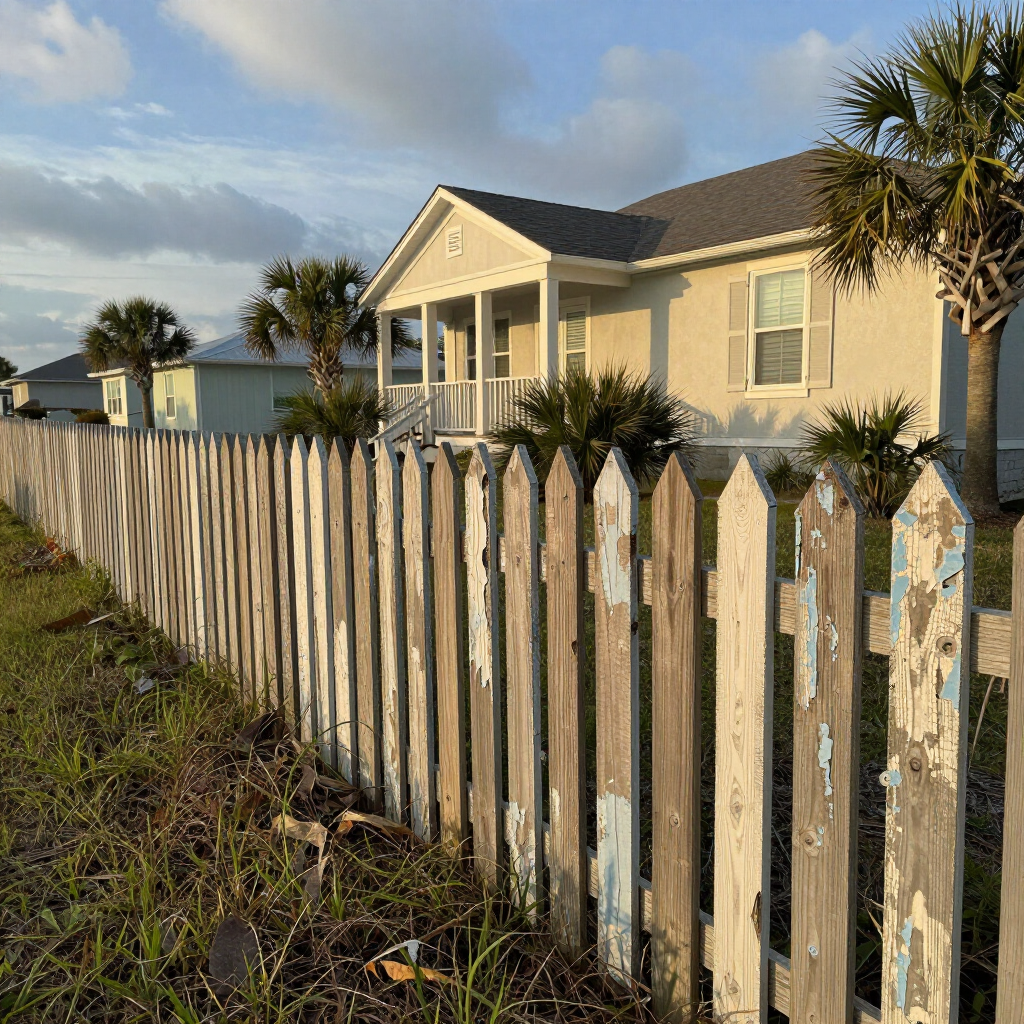
When Is the Best Time of Year to Install a Fence in Texas?
Choosing the Right Time to Install Your Texas Fence

If you're planning to install a fence around your home or property in Texas City or the surrounding Gulf Coast communities, timing can play an important role in how smoothly your project goes. While fences can technically be installed throughout the year in Texas, certain seasons offer advantages when it comes to weather conditions, scheduling, and long-term durability.
In general, the best time to install a fence in the Texas Gulf Coast region is during the fall, winter, or early spring, when temperatures are milder and weather conditions are more predictable. However, each season offers unique benefits and challenges that homeowners should consider before scheduling a fence installation.
Understanding how seasonal conditions affect fence installation can help you choose the right time for your project and ensure your new fence performs well for years to come.
Fence Installation Is Possible Year-Round in Texas
One advantage of living in Texas is that fence installation is rarely limited by extreme winter conditions. Unlike northern regions where frozen ground can delay construction, the Gulf Coast climate generally allows fence contractors to work throughout the year.
However, seasonal weather patterns can still affect factors such as:
- Soil conditions
- Installation timelines
- Contractor availability
- Long-term fence performance
For this reason, many homeowners choose to schedule their fence installation during seasons that offer the most favorable conditions.
Installing a Fence in Spring
Spring is one of the most popular times for homeowners to install fences. The weather is usually mild, and many people begin outdoor home improvement projects during this season.
Benefits of Spring Fence Installation
Spring offers several advantages for fence installation:
- Moderate temperatures that are comfortable for outdoor work
- Soil that is easier to dig compared to dry summer ground
- Ideal timing before summer backyard activities begin
Installing a fence in the spring also allows homeowners to enjoy their outdoor spaces throughout the warmer months.
Potential Drawbacks
Because spring is a busy season for home improvement projects, fencing contractors may have higher demand during this time. Scheduling early can help ensure your project is completed when you want it.
Installing a Fence in Summer
Summer is another common time for fence installation in Texas, especially for homeowners who decide to upgrade their yards after moving into a new home.
Advantages of Summer Installation
Summer installations offer several benefits:
- Long daylight hours allow contractors to complete projects efficiently
- Dry weather conditions reduce delays caused by rain
- Homeowners are often spending more time outdoors and focusing on yard improvements
Challenges of Summer Installation
The main challenge during summer is the intense heat that often occurs along the Gulf Coast.
High temperatures can:
- Make outdoor work more physically demanding
- Dry out soil, making post holes harder to dig
- Increase demand for contractors
Despite these challenges, many fence projects are still completed successfully during summer months.
Installing a Fence in Fall
Fall is often considered one of the best seasons for fence installation in Texas City and nearby coastal communities.
Why Fall Is a Great Time for Fence Installation
Several factors make fall an excellent time to install a fence.
- Cooler temperatures create comfortable working conditions
- Soil remains relatively soft from previous rainfall
- Contractors may have more flexible scheduling after the busy summer season
Installing a fence in the fall also prepares your property for winter weather and provides privacy throughout the cooler months.
Installing a Fence in Winter
Unlike many northern states, winters in the Texas Gulf Coast region are generally mild. This allows fence installation projects to continue throughout much of the winter season.
Benefits of Winter Fence Installation
Winter fence installation can offer several advantages.
- Lower demand for contractors may result in more scheduling flexibility
- Cooler temperatures make outdoor work easier
- Completing the project in winter prepares your yard for spring landscaping or outdoor improvements
Because ground freezing is rare in the Texas City area, fence posts can usually be installed without major complications.
Weather Considerations
While winters are generally mild, occasional rainstorms may temporarily delay outdoor construction projects.
How Weather Affects Fence Installation
Weather conditions play an important role in fence installation because they influence soil stability and construction timelines.
Rain and Soil Conditions
Heavy rainfall can saturate the ground, making it muddy and difficult to work with. Contractors may need to wait for soil conditions to improve before installing fence posts.
Wind
Strong winds can make installation more challenging, particularly when working with large fence panels.
Temperature
Extreme heat or cold can affect both the installation process and worker safety.
Professional contractors typically monitor weather forecasts closely to schedule projects during favorable conditions.
Planning Ahead for Fence Installation
Homeowners who are considering installing a fence should begin planning their project in advance.
Important planning steps include:
- Determining the desired fence material and style
- Confirming property boundaries
- Checking local regulations or HOA guidelines
- Scheduling a consultation with a fencing professional
Planning ahead can help ensure that the project proceeds smoothly and without delays.
Choosing the Right Fence Material for Texas Weather
Regardless of when you install your fence, selecting the right materials for the Gulf Coast climate is essential.
Several fencing materials perform well in Texas.
Wood Fencing
Wood privacy fences are widely used in residential neighborhoods because they provide excellent privacy and a classic appearance.
Pressure-treated wood is commonly used to improve resistance to moisture and insects.
Vinyl Fencing
Vinyl fencing has become increasingly popular because it requires very little maintenance and does not rot or warp.
It also performs well in humid coastal environments.
Chain Link Fencing
Chain link fencing is durable, affordable, and commonly used for both residential and commercial properties.
It provides long-term performance with minimal maintenance.
Aluminum Fencing
Aluminum fencing offers a decorative appearance while providing strong durability and resistance to corrosion.
This material is often used for front yard fencing or around pools.
Preparing Your Property Before Installation
Before the installation process begins, homeowners can take a few steps to prepare their property.
These preparations may include:
- Clearing debris or obstacles from the fence line
- Marking underground utilities
- Discussing property boundaries with neighbors if necessary
Preparing the site ahead of time helps ensure the installation process goes smoothly.
Benefits of Installing a Fence
Regardless of when the fence is installed, adding fencing to a property provides several long-term benefits.
These benefits may include:
- Increased privacy for outdoor living areas
- Improved security for homes and businesses
- Safer spaces for children and pets
- Clearly defined property boundaries
- Enhanced curb appeal and property value
For many homeowners, installing a fence is one of the most practical ways to improve both the function and appearance of their property.
FAQs
What is the best season to install a fence in Texas?
Fall and early spring are often considered ideal due to milder temperatures and favorable soil conditions.
Can fences be installed during winter in Texas?
Yes. Because winters are generally mild, fence installation is possible throughout much of the winter season.
Does rain delay fence installation?
Heavy rainfall can delay installation temporarily because saturated soil may not provide stable footing for fence posts.
How long does fence installation usually take?
Most residential fence installations are completed within one to three days, depending on the size of the property and fence type.
Should I schedule fence installation in advance?
Yes. Scheduling early can help ensure your preferred installation date, especially during busy seasons.
Fence Installation in Texas City and the Gulf Coast Region
Choosing the right time to install a fence can help ensure your project proceeds efficiently and that the finished fence performs well in the Texas climate. While fences can be installed year-round, many homeowners choose to schedule installation during cooler seasons when weather conditions are most favorable.
Homeowners throughout Texas City, League City, Friendswood, Dickinson, Santa Fe, La Porte, Pasadena, Clear Lake, Kemah, Hitchcock, and surrounding Gulf Coast communities often work with experienced fencing professionals who understand the region’s soil conditions, weather patterns, and installation best practices.
To learn more about fencing options and installation services, visit:
https://www.gulfcoastfence.com
Recent Posts