How Storms and Salt Air Affect Fences on the Texas Gulf Coast
The Effects of Storms and Salt Air on Gulf Coast Fences

Living along the Texas Gulf Coast offers many advantages, including scenic waterfront views, warm weather, and coastal breezes. However, these same environmental conditions can also be challenging for outdoor structures like fences. Homes in Texas City, Kemah, League City, and surrounding communities experience a combination of high humidity, salt air, strong winds, and intense storms, all of which can affect the durability of fencing materials.
Because fences are exposed to these elements year-round, choosing the right materials and maintaining them properly is essential for long-term performance. Without proper installation and care, coastal weather can cause fences to deteriorate faster than they would in other regions.
Understanding how Gulf Coast weather affects fencing can help homeowners take steps to protect their investment and extend the lifespan of their fence.
The Unique Climate of the Texas Gulf Coast
The coastal region surrounding Texas City experiences weather patterns that are significantly different from many inland areas. These environmental factors can place additional stress on fences and other outdoor structures.
Key climate characteristics include:
- High humidity throughout the year
- Frequent rainfall
- Salt carried through coastal air
- Strong seasonal storms and hurricanes
- Intense sunlight and heat during summer months
When these elements interact with fencing materials, they can gradually weaken structural components unless the fence is built and maintained properly.
How Salt Air Impacts Fences
Salt air is one of the most significant environmental factors affecting fences near the coast. Salt particles carried by ocean breezes can settle on outdoor surfaces and gradually cause corrosion or material breakdown.
Effects on Metal Components
Salt exposure can accelerate rust and corrosion in metal components such as:
- Fence hardware
- Hinges
- Nails and screws
- Chain link fencing
- Gate mechanisms
Over time, corrosion can weaken these components and affect the stability of the fence.
Using galvanized or coated hardware can help protect against corrosion.
Effects on Wood Fences
Salt air can also affect wood fences by breaking down protective finishes such as stains or sealants. Once these protective layers deteriorate, moisture can penetrate the wood more easily.
This can lead to issues such as:
- Cracking or splitting boards
- Warping panels
- Accelerated rot
Applying protective coatings regularly can help protect wood fences from salt-related damage.
The Impact of High Humidity
Humidity levels along the Gulf Coast are often high throughout the year. Moisture in the air can penetrate porous materials such as wood, leading to several potential issues.
Common problems caused by humidity include:
- Swelling or expansion of wood boards
- Warping panels
- Mold or mildew growth
- Rotting fence posts
Without protective treatments, wood fences can absorb moisture and gradually weaken.
Vinyl and aluminum fencing materials are often chosen in coastal environments because they resist moisture more effectively.
Storms and Strong Winds
Storms are a regular part of life along the Texas Gulf Coast. Thunderstorms, tropical storms, and hurricanes can produce powerful winds that place significant stress on fences.
Strong winds can cause damage such as:
- Broken fence panels
- Leaning fence posts
- Entire sections collapsing
- Gates bending or detaching
Fences that are not installed with deep, secure posts are especially vulnerable to wind damage.
Proper installation techniques, such as setting posts in concrete and reinforcing structural supports, help fences withstand severe weather conditions.
Heavy Rainfall and Flooding
Heavy rainfall is another factor that affects fence durability. Excessive water can weaken soil around fence posts, causing them to loosen or shift.
This can lead to:
- Leaning fence sections
- Post instability
- Structural misalignment
Flooding can also accelerate rot in wooden fence posts that remain submerged in water for extended periods.
Ensuring proper drainage around fence posts can help reduce these risks.
Sun Exposure and Heat
While moisture is a major concern in coastal climates, intense sunlight can also affect fences over time.
Prolonged sun exposure can cause:
- Fading of wood stains
- Cracking or drying wood
- Warping boards
- Weakening protective finishes
Applying UV-resistant stains or sealants can help protect wood fences from sun damage.
Best Fence Materials for Coastal Areas
Because of the environmental challenges along the Gulf Coast, some fencing materials perform better than others.
Pressure-Treated Wood
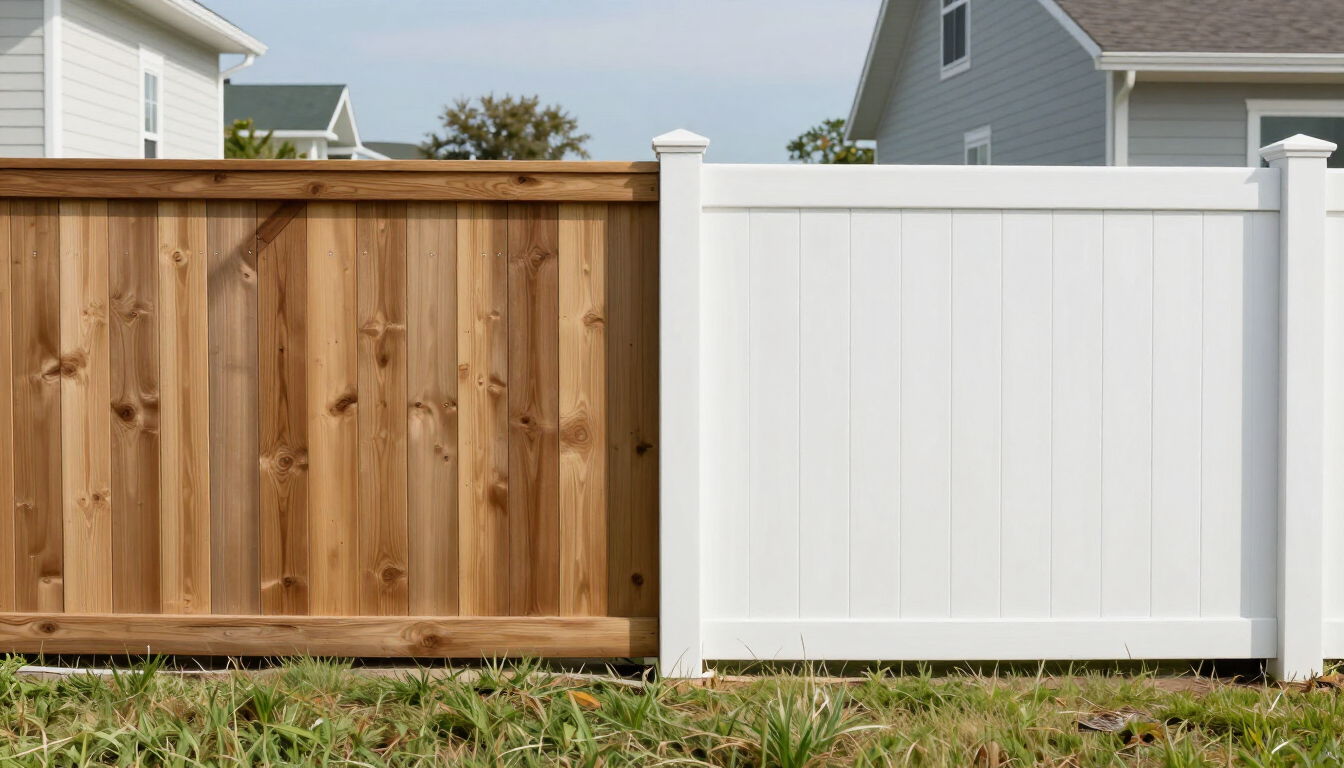
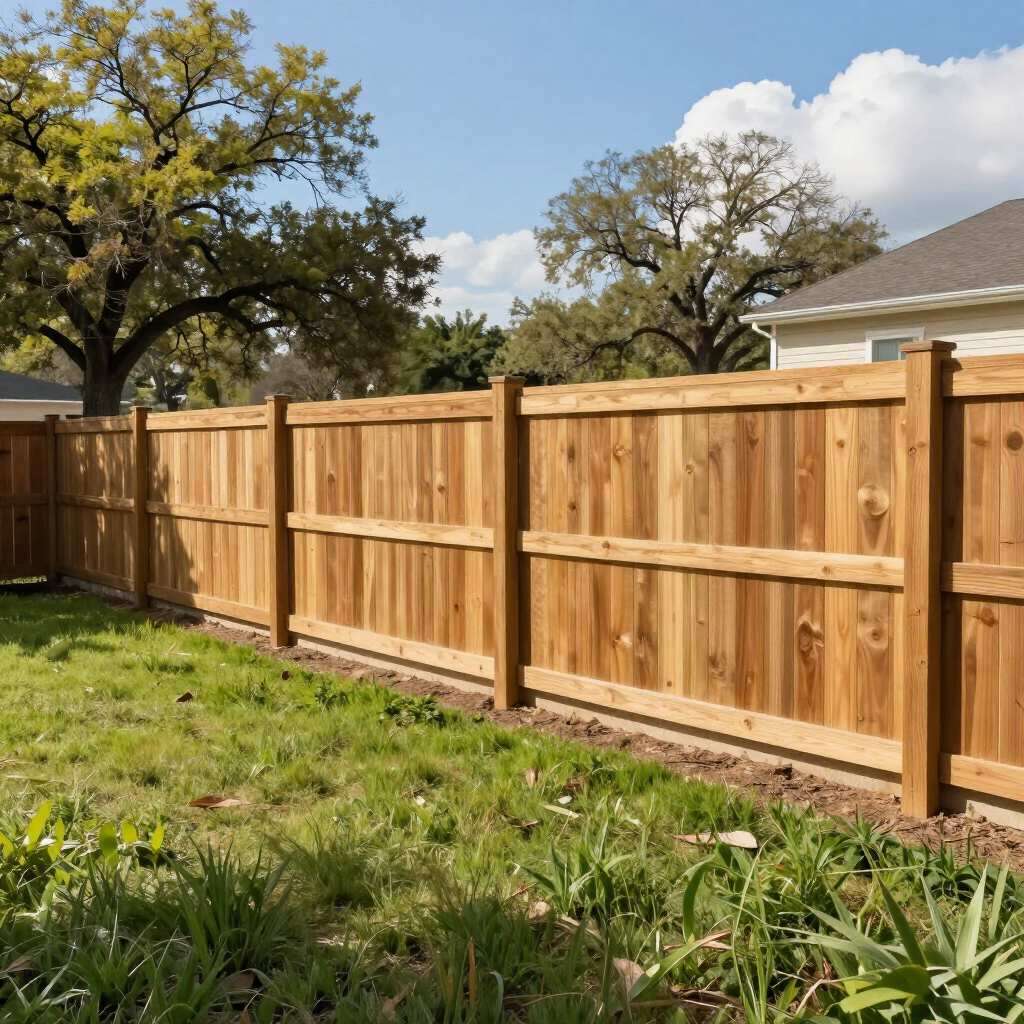
Pressure-treated wood is commonly used for privacy fences because it resists moisture and insect damage better than untreated lumber.
When properly sealed and maintained, wood fences can perform well even in humid environments.
Vinyl Fencing
Vinyl fences are highly resistant to moisture and salt air. They do not rot, warp, or require staining, making them a low-maintenance option for coastal homes.
Vinyl fencing can also maintain its appearance for many years.
Aluminum Fencing
Aluminum fences are known for their corrosion resistance. This makes them ideal for coastal environments where metal materials may otherwise rust quickly.
They are often used for decorative fencing or pool enclosures.
Chain Link Fencing
Chain link fencing is durable and affordable, especially for large properties. Galvanized or vinyl-coated chain link fences offer additional protection against rust.
Preventing Coastal Fence Damage
Homeowners can take several steps to protect their fences from coastal weather conditions.
Perform Regular Inspections
Inspect fences periodically to identify issues such as loose posts, cracked boards, or rusted hardware.
Apply Protective Sealants
Wood fences should be sealed or stained every few years to protect against moisture and sun exposure.
Replace Damaged Hardware
Rusty screws, hinges, or brackets should be replaced to maintain structural stability.
Maintain Proper Drainage
Ensuring water drains away from fence posts helps prevent soil erosion and post instability.
Trim Vegetation
Plants growing against the fence can trap moisture and accelerate deterioration.
Preparing Fences for Storm Season
Before storm season begins, homeowners can take additional precautions to reduce the risk of fence damage.
Recommended steps include:
- Inspecting fence posts for stability
- Reinforcing weak sections
- Securing gates properly
- Removing debris from the yard
These steps help fences withstand strong winds and heavy rain more effectively.
FAQs
What type of fence lasts longest near the coast?
Vinyl and aluminum fences often last longer because they resist moisture and corrosion.
Can wood fences survive coastal climates?
Yes. Pressure-treated wood fences can perform well when properly sealed and maintained.
How often should coastal fences be inspected?
It is recommended to inspect fences at least once or twice per year and after major storms.
Does salt air damage metal fences?
Salt air can accelerate corrosion in unprotected metal components, which is why coated or galvanized materials are commonly used.
How can I prevent fence damage during storms?
Ensuring posts are secure, reinforcing weak areas, and performing regular maintenance can help protect fences from storm damage.
Protecting Your Fence Along the Texas Gulf Coast
Fences along the Texas Gulf Coast face unique environmental challenges, but with proper materials, installation, and maintenance, they can remain durable for many years.
Homeowners throughout Texas City, League City, Friendswood, Dickinson, Santa Fe, La Porte, Pasadena, Clear Lake, Kemah, Hitchcock, and nearby Gulf Coast communities often rely on experienced fencing professionals who understand the region’s climate and building requirements.
To learn more about fencing services and options for coastal properties, visit:
https://www.gulfcoastfence.com
Recent Posts