How to Maintain a Wooden Fence in the Texas Coastal Climate
Expert Tips for Preserving Wood Fences in the Demanding Texas Gulf Coast Environment
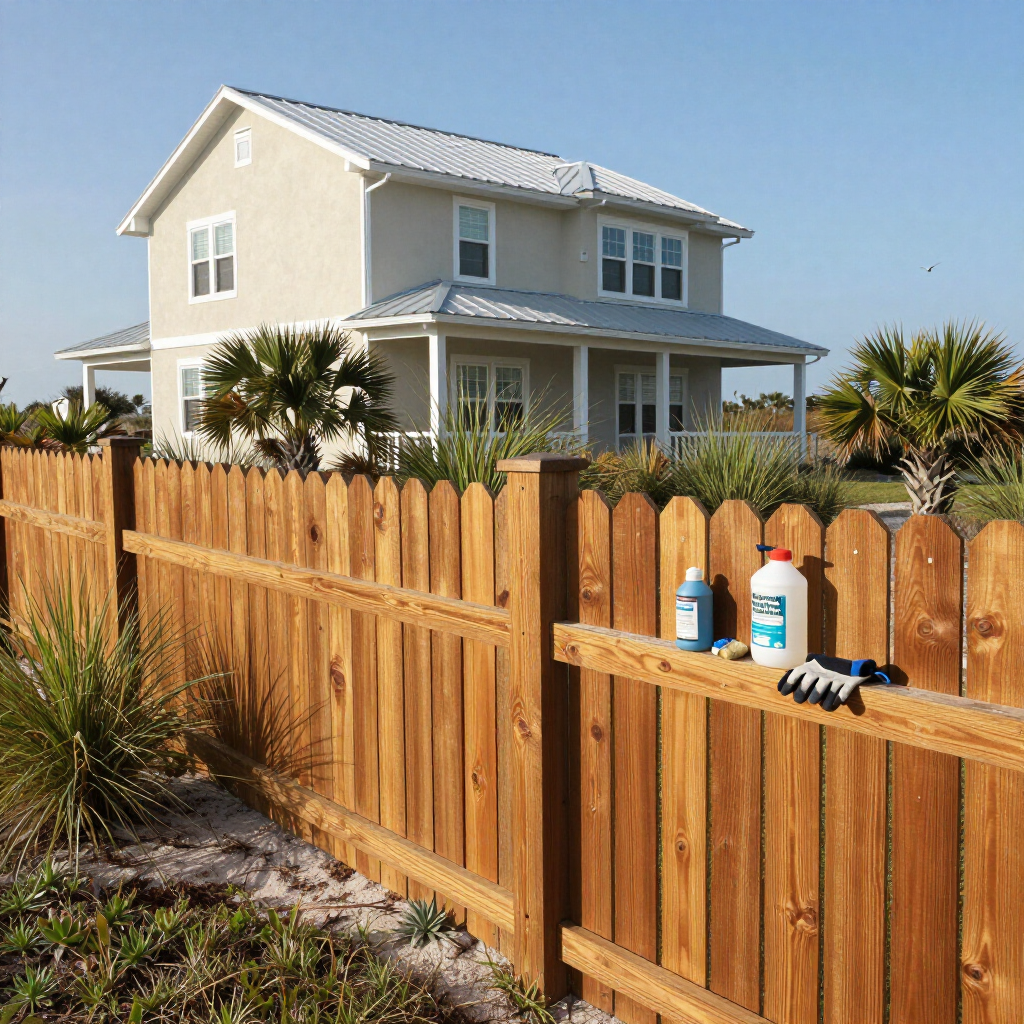
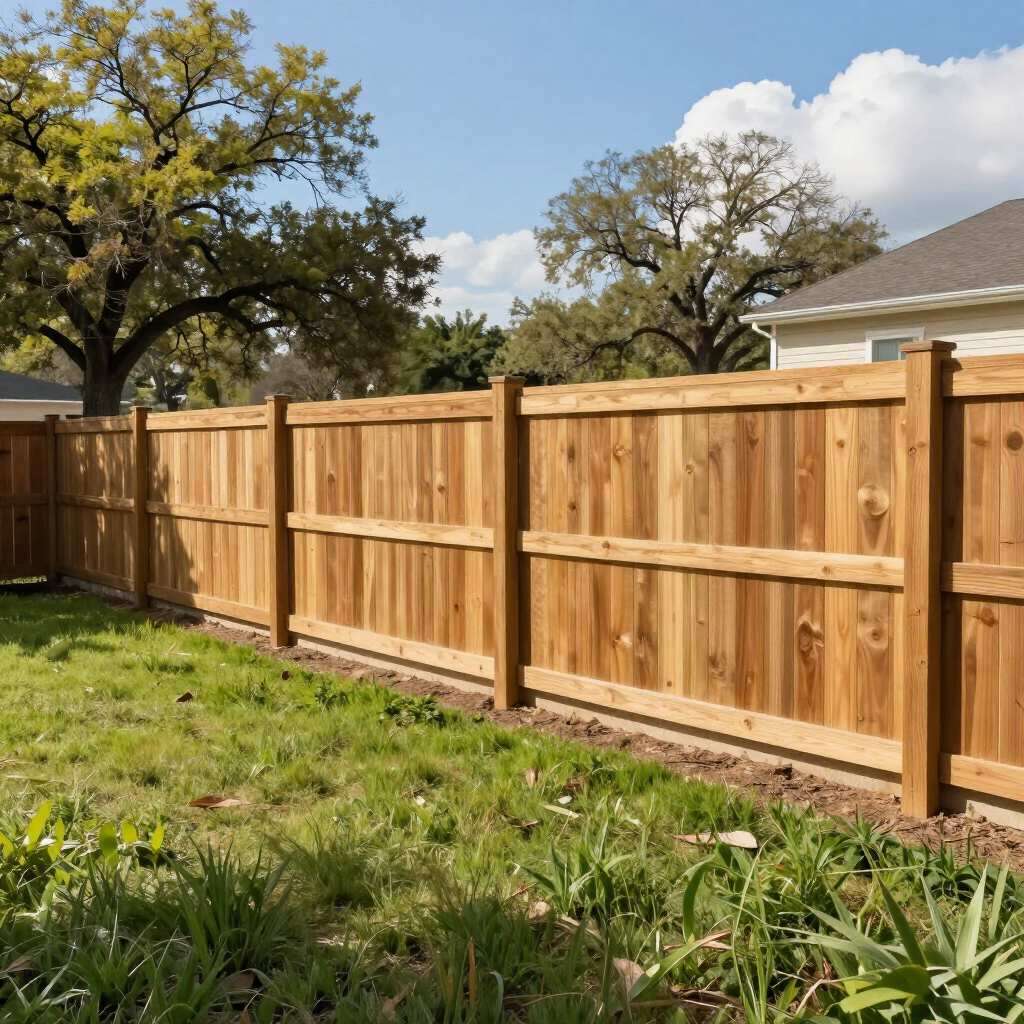
Wood fences are one of the most popular fencing options for homeowners in Texas City and throughout the Gulf Coast region. They provide excellent privacy, enhance curb appeal, and can be customized to fit almost any property style. However, the Texas coastal climate presents unique challenges for wooden fences. High humidity, salty air, heavy rainfall, and strong storms can all accelerate wear and deterioration if the fence is not properly maintained.
Fortunately, with the right care and routine maintenance, a wooden fence can last
15 to 20 years or more even in coastal conditions. Regular inspections, protective treatments, and prompt repairs can help homeowners prevent costly damage and keep their fences looking great for years.
Understanding how the Gulf Coast environment affects wood fencing is the first step toward protecting your investment.
Why Coastal Weather Affects Wooden Fences
Homes near the Gulf Coast face environmental conditions that are harsher than many inland regions. Wood fences in Texas City, League City, and surrounding communities are constantly exposed to moisture and weather fluctuations.
Several factors contribute to fence wear in coastal areas.
Humidity
High humidity allows moisture to penetrate the wood. Over time, this can lead to swelling, warping, and eventually rot if the wood is not sealed properly.
Salt Air
Salt carried in coastal air can gradually break down protective finishes and accelerate corrosion of metal hardware used in fence construction.
Heavy Rain
Frequent rain keeps wood damp for extended periods. Without proper drainage and sealing, this moisture can damage fence boards and posts.
Strong Winds and Storms
Texas Gulf Coast storms can place significant stress on fences. High winds may loosen posts or damage fence panels if the structure is not maintained.
Routine maintenance helps protect fences from these environmental challenges.
Inspect Your Fence Regularly
One of the best ways to prevent major fence damage is by inspecting it regularly. Many fence problems start small and gradually worsen if they are not addressed early.
Homeowners should inspect their fences at least once or twice each year, as well as after major storms.
During an inspection, look for signs such as:
- Loose or leaning fence posts
- Cracked or splintered boards
- Warped panels
- Rusted nails or screws
- Soft wood that may indicate rot
Catching these issues early makes repairs easier and less expensive.
Keep Your Fence Clean
Dirt, mold, algae, and mildew can accumulate on wood fences over time, especially in humid environments like the Texas Gulf Coast.
Cleaning the fence periodically helps prevent moisture buildup and preserves the appearance of the wood.
A typical cleaning process may include:
- Rinsing the fence with a garden hose
- Scrubbing areas with visible dirt or mildew
- Using a mild cleaning solution designed for outdoor wood
Some homeowners also use pressure washers, but it is important to use low pressure to avoid damaging the wood surface.
Cleaning your fence once a year can help maintain its appearance and prevent long-term deterioration.
Seal or Stain the Wood
One of the most important steps in wood fence maintenance is applying a protective finish. Stains and sealants help create a barrier that prevents moisture from penetrating the wood.
Without protection, wood can absorb water, leading to swelling, cracking, and rot.
Benefits of Staining or Sealing a Fence
Protective coatings provide several advantages, including:
- Moisture resistance
- Protection from sun exposure
- Prevention of cracking and warping
- Enhanced color and appearance
Most wood fences benefit from staining or sealing every two to three years, depending on exposure to weather.
Protect Fence Posts From Moisture
Fence posts are especially vulnerable to moisture because they are in direct contact with the ground. Over time, water can collect around the base of posts and cause rot.
There are several ways to protect fence posts from moisture damage.
Ensure Proper Drainage
Soil around fence posts should allow water to drain away rather than collect around the base.
Avoid Soil Buildup
Over time, landscaping or yard work may cause soil to accumulate against the fence. Keeping the base of the fence clear helps reduce moisture exposure.
Inspect Post Stability
Posts should remain firmly secured in the ground. If a post begins to loosen or lean, repairing it early can prevent larger structural problems.
Replace Damaged Boards Promptly
Individual fence boards may become damaged due to weather exposure, impact, or natural aging. When boards crack, split, or warp, replacing them promptly helps prevent the damage from spreading.
Signs that boards may need replacement include:
- Visible cracks or splinters
- Severe warping
- Rot or soft wood
- Missing boards
Replacing individual boards is usually a straightforward repair that can extend the life of the entire fence.
Trim Nearby Vegetation
Plants and vegetation growing against a fence can trap moisture and increase the risk of wood rot. Bushes, vines, and tall grass may also block airflow around the fence.
To prevent moisture buildup, homeowners should:
- Trim shrubs away from the fence
- Remove vines that attach to wood boards
- Keep grass and weeds from growing directly against the fence
Maintaining proper airflow helps the wood dry more quickly after rain or humidity.
Check Fence Hardware
Metal components such as nails, screws, hinges, and brackets help hold the fence structure together. In coastal areas, these parts may corrode faster due to humidity and salt air.
Homeowners should periodically check hardware for signs of:
- Rust
- Loosened screws
- Weak hinges
- Missing fasteners
Replacing damaged hardware can improve fence stability and prevent sections from loosening over time.
Prepare Your Fence for Storm Season
Storms are a common part of life along the Gulf Coast. Preparing your fence before storm season can help minimize potential damage.
Homeowners can take several preventative steps.
Inspect Posts and Panels
Make sure fence posts are secure and panels are firmly attached.
Reinforce Weak Sections
If any parts of the fence appear unstable, repairs should be completed before severe weather arrives.
Clear Debris
Remove loose objects from the yard that could become airborne during strong winds and damage the fence.
These precautions can help fences withstand storms more effectively.
When to Consider Fence Replacement
Even with proper maintenance, wood fences eventually reach the end of their lifespan.
Signs that replacement may be necessary include:
- Extensive rot throughout the fence
- Multiple failing posts
- Frequent repairs becoming necessary
- Structural instability across large sections
Most wood fences last
15 to 20 years depending on maintenance and weather exposure.
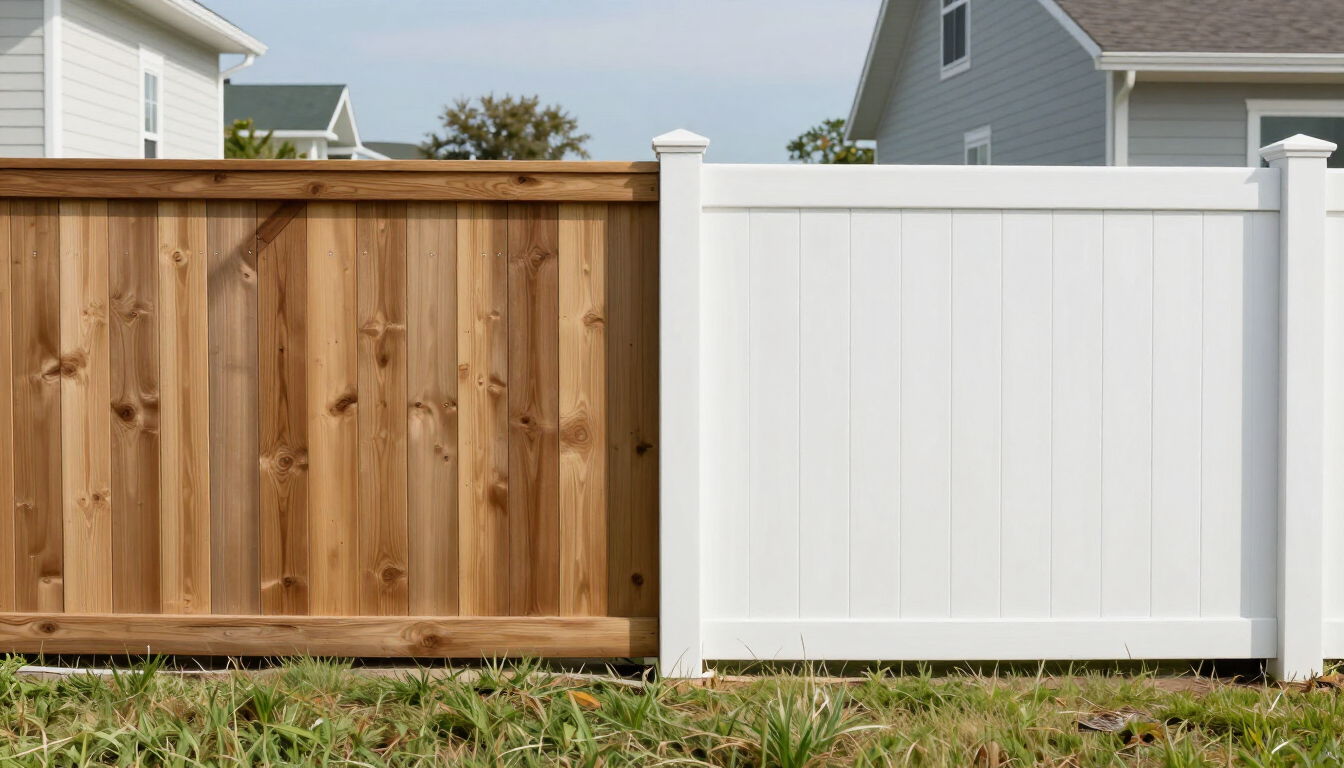
When replacement becomes necessary, homeowners may choose to install a new wood fence or consider alternative materials such as vinyl or aluminum.
FAQs
How often should a wood fence be stained?
Most wood fences should be stained or sealed every two to three years to protect against moisture and sun exposure.
How long do wood fences last in coastal climates?
With proper maintenance, wood fences in Gulf Coast regions can last 15 to 20 years.
Can pressure washing damage a wood fence?
Yes. Using excessive pressure can damage the wood surface. Low-pressure cleaning is recommended.
What causes wood fences to warp?
Warping often occurs when wood absorbs moisture and then dries unevenly.
How can I prevent wood rot in my fence?
Applying protective sealants, ensuring good drainage, and keeping vegetation away from the fence can help prevent rot.
Maintaining Wood Fences in Texas City and the Gulf Coast
Wood fences are a practical and attractive choice for many homes in Texas City and surrounding communities. With proper maintenance, these fences can withstand the challenges of coastal weather while continuing to provide privacy and security.
Homeowners throughout Texas City, La Porte, Pasadena, League City, Friendswood, Dickinson, Santa Fe, Hitchcock, Clear Lake, Kemah, and Tiki Island often rely on experienced fencing professionals for inspections, repairs, and new installations designed to perform well in Gulf Coast conditions.
To learn more about residential fencing services, visit:
https://www.gulfcoastfence.com
Recent Posts